Professional Animal Sound Effects for Movies, TV, and Games
Animal sound effects play a crucial role in countless movies, TV shows, and top games. From realistic wildlife documentaries to stylized characters that are the star of the show. Whether it's the ambient bark of a neighborhood dog adding realism to a quiet scene or the sinister cawing of crows that sets a suspenseful atmosphere in a dark horror movie, animal sound effects are indispensable tools for professional sound designers.
Sometimes those animals are front and center of the action such as Beethoven, Lassie, Black Beauty, Tarzan’s jungle companions, scary dinosaurs, and fantasy creatures in games like Diablo Immortal.
Browse Through Our Animal Sound Effects Packs


These Companies trust in BOOM Library Sound Effects
Besides our many wonderful independent clients we’re very proud to see that almost every major game company and movie production house appreciates the quality of BOOM Library Sound FX. Below you can see a small selection of our clients.


Some Iconic Uses Of Animal Sound Effects
Movies
- The Revenant: In one memorable scene, a man is violently attacked by a bear deep in a remote forest. The brutality feels incredibly real, partly because there’s no music to distract you. Instead, the careful, sparse use of sound—the bear's deep breaths, the snapping of branches, the painful cries—makes you feel like you're right there, experiencing every terrifying moment firsthand.
- Rescued By Ruby: Ruby is the star of this biographical drama, and her expressive range of barking, whining, howling, and other vocalizations are central to conveying her emotional journey to the audience.
Television
- Game of Thrones: Dragons, wolves, and ravens are used extensively to heighten drama, fantasy, and suspense, highlighting the power of impactful animal sound design.
- Planet Earth: Realistic animal recordings providing the authentic backbone of breathtaking visual storytelling in this iconic wildlife documentary series.
Games
- Red Dead Redemption 2: Highly detailed animal soundscapes that authentically recreate wildlife environments, providing immersion and realism for players.
- The Last of Us Part II: Subtle yet essential animal sounds, such as birds and dogs, adding depth to environmental storytelling and tension-filled gameplay.
- Stray: A cat protagonist whose vocalizations and ambient animal sounds help players emotionally connect deeply with the gameplay experience.
Uncommon use
- Jurassic Park: Spielberg’s prehistoric epic brings dinosaurs to life, but surprisingly, the famous roar of the T-Rex isn't organic at all—it's built from manipulated metallic screeches. This unconventional choice created an iconic, terrifying sound that's instantly recognizable.
- The Lion King: Simba’s dramatic roar isn't actually from a lion; the sound designers opted for the deeper, more powerful roar of a tiger instead. Realism wasn't the priority here—capturing emotion and grandeur was.
- Finding Nemo: The underwater world is filled with distinctive sounds for its sea creatures, none of which you'd actually hear underwater. But by giving each character memorable vocal quirks, sound design played a major part in creating lovable personalities and bringing the story vividly to life.
Capturing the Essence of Animal Sound Effects
At BOOM Library, we specialize in high-quality, meticulously recorded animal sound effects that enhance your production values and storytelling. Our extensive animal sound effects collections cover everything from subtle background noises, to the prominent roars and growls that define iconic characters.
Authentic Animal Sound Effects Recordings for Realism
Our team travels globally to capture authentic animal sound effects recordings. For the popular game Diablo Immortal, we provided custom animal sound effects recordings that brought vivid realism and depth to the game's creature sounds.
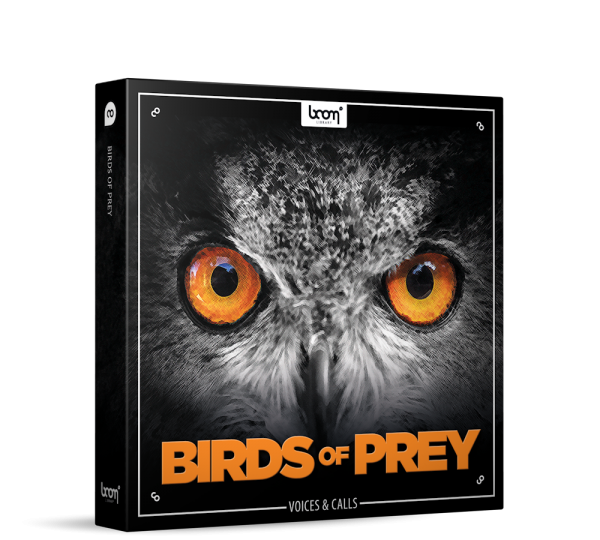
Explore how we record animal sound effects in detail through our behind-the-scenes feature: Meet the Stars of Our Birds of Prey Library.

Animal Sound Effects: The Secret to Immersive Creature Sound Design
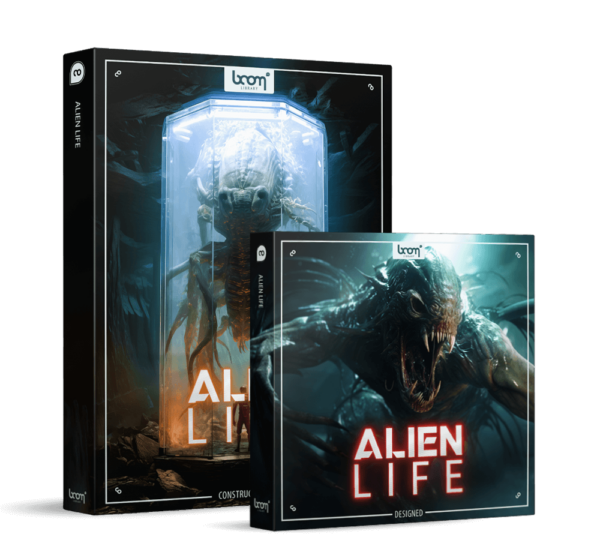
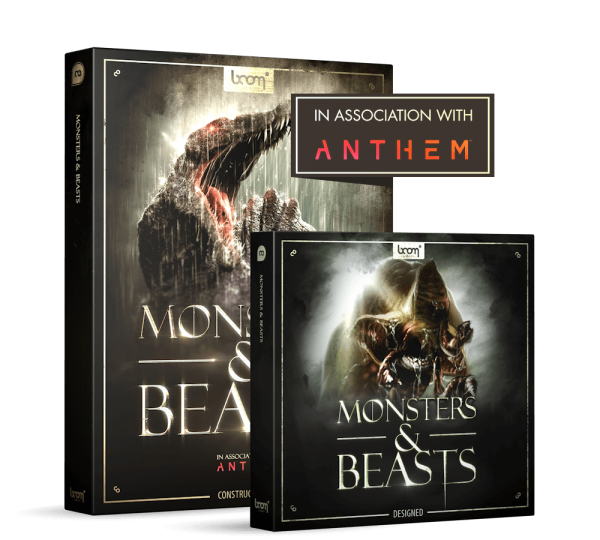
Animal sound effects are not limited to real-world creatures—they also serve as foundational elements in creating believable monster and alien vocalizations. Our sound designers utilize animal sound effects recordings to engineer otherworldly creatures, as showcased in our acclaimed Monsters & Beasts and Alien Life sound libraries.
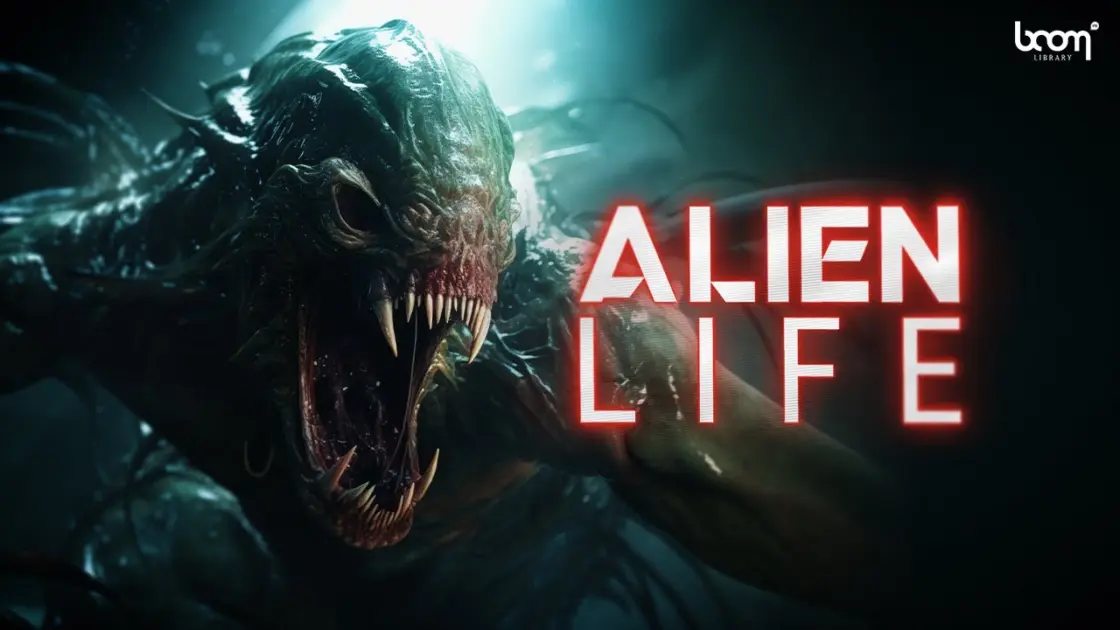
Behind-the-Scenes Creature Sound Design
Sometimes the use of animal sound effects crosses the line between reality and fiction, for example, the spinning cow in the classic movie ‘Twister.’ Once seen (and heard) it’s hard to forget that moment. Iconic sound designer and BOOM Library Artist Charles Maynes told us exactly how he got this unforgettable animal sound effect in an exclusive interview with us.
The audio team at Bioware gave us useful insights concerning Anthem’s audio development, how MONSTERS & BEASTS was used in Anthem and what tricks & techniques will increase your mileage with the library and creature sound design in general.
If you want to know how much animal sound effects can be manipulated, then discover the creative process behind Alien Life’s unique sounds in Alien Life: Behind the Designed and Alien Life: Behind the Construction Kit.
How to Record Animal Sound Effects
When recording animals, it’s important to capture sounds in a way that allows for maximum flexibility in post-production. Some recordings might be left untouched, while others will undergo processing to fit different creative needs. A well-planned recording session ensures that you have plenty of options to work with later.
A Checklist for Capturing Great Animal Sound Effects
- Select the Right Environment – Find a location where the animal will be comfortable and natural behavior can be recorded. Avoid areas with heavy background noise from traffic, planes, or human activity.
- Check for Unwanted Sounds – Wind, rain, and even distant human noise can interfere with your recordings. A quiet, controlled environment will give you the best results.
- Respect the Animal – If you're working with wild animals, maintain a safe distance. Avoid distressing the animal for the sake of a recording. In a controlled environment, ensure the animal is handled ethically and comfortably.
- Think About Acoustics – Open fields will sound different from enclosed spaces. Hard surfaces (such as buildings or sheds) and often found in a zoo, can create echoes, while hollow structures (barrels, tunnels, or enclosures) can introduce unwanted resonance. Choose locations that best suit the sound you're after.
- Use a Variety of Microphones – Different microphones capture different perspectives and nuances. Close-up mics will record detailed vocalizations or movements, while distant mics capture the natural ambience of the environment. If possible, record with multiple microphones at varying distances to have more options in post.
- Consider Directionality – Some animals vocalize in specific ways (howls, calls, growls) that may project in certain directions. Experiment with microphone placement to capture the best results.
- Be Patient and Observant – Animals don’t perform on cue, so be prepared to spend time waiting for the right moment. Knowing an animal’s behavior helps anticipate sounds before they happen.
- Record a Variety of Sounds – Footsteps, breathing, eating, and environmental interactions (like rustling leaves or splashing water) can all be valuable. Think beyond just vocalizations to build a well-rounded sound library.
- Use Long Takes – Avoid stopping and starting too frequently. Letting the recorder roll ensures you don’t miss subtle but useful sounds.
- Think About Post-Production – Some animal sounds might need layering or processing to achieve the final effect you need. Capturing a range of dynamics and perspectives will give you more flexibility later.
- Capturing great animal sound effects requires patience, planning, and respect for the subject. With the right approach, you can record rich, detailed sounds that will bring authenticity and life to your projects.
BOOM Library Trusted by Industry Professionals
Leading sound designers like David Farmer, renowned for The Elder Scrolls Online and numerous Hollywood films, choose BOOM Library for exceptional quality animal sound effects. Our animal sound effects feature prominently in popular media such as Netflix’s Tarzan and Jane and blockbuster video games like The Elder Scrolls Online.
Enhance Your Sound Design with Animal Sound Effects
Whether you're aiming for natural realism or otherworldly creativity, BOOM Library’s animal sound effects offer unmatched versatility and clarity, ideal for professional projects demanding precision and impact.
Explore our diverse collections and bring your next project to life with BOOM Library’s premium animal sound effects.
Customer Testimonials
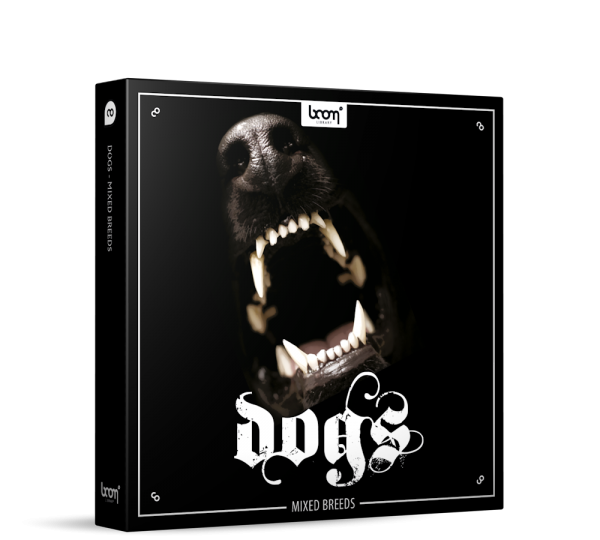
Just wanted to say hi and thank the team for helping us to make our work better. I’ve used the dog library quite a lot for the werewolf character in Killer Instinct called Sabrewulf. All his pain reactions, his death vocals and some layers during his attacks contain some of your sounds blended with other animals and human vocals.
Thanks again for providing such great materials. We always need more animals, so keep it up! Looking forward to the Birds of Prey library! Thanks everyone!
Jean-Edouard Miclot
Stung, Wolfenstein: The New Order, Gears Of War 3
Overall, BOOM brings quality and fidelity to the table. Working on this library with BOOM was a great experience, and we are already planning for the next ones. The source in this library is amazing. It provided us with unique assets that we could then manipulate further to create the sounds of the fantastic beasts in Anthem.
Michael Kent
Mass Effect, Dragon Age, God Of War