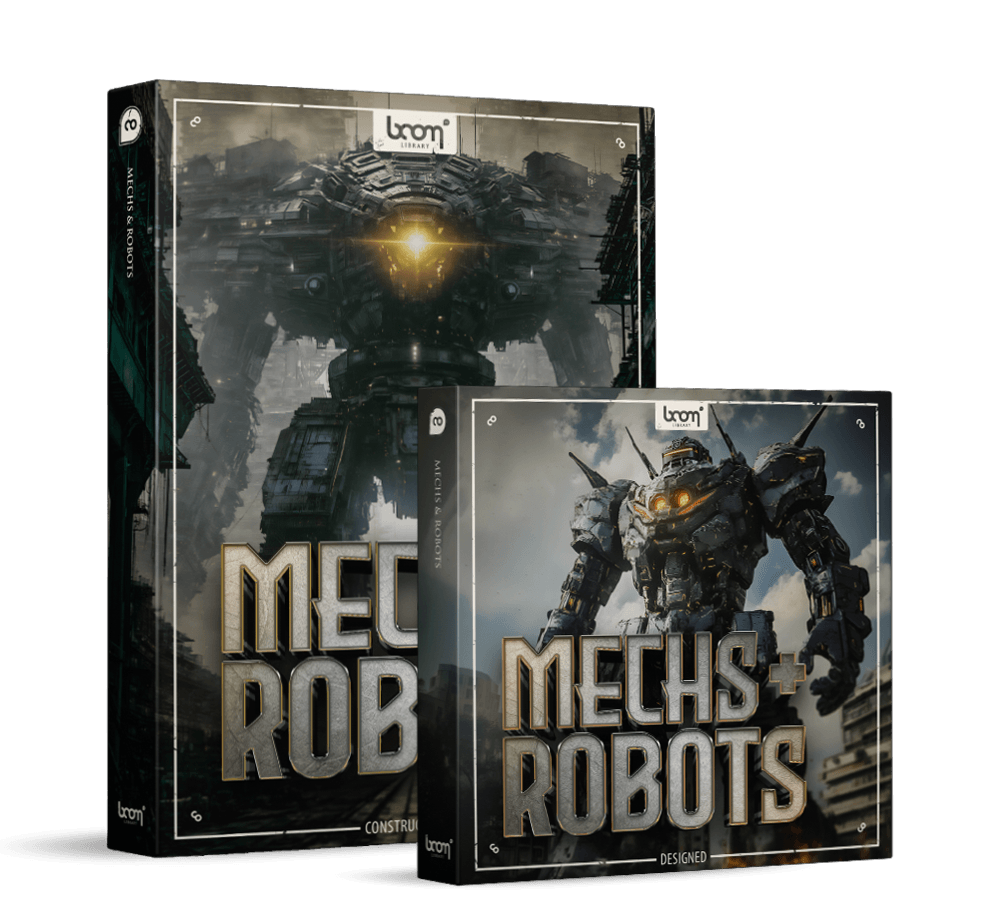
Every library we build starts with a question about what it actually is. For MECHS & ROBOTS, that question turned out to be more specific than it first appeared. We spoke with project lead David Philipp about how the collection came together, what separates it from anything else in this category, and why getting the concept right before touching a microphone was the most important part of the process.
The Difference A Word Makes
Philipp’s starting point was a distinction that most people building in this space had overlooked. A mech, technically, is a piloted machine, and a robot is autonomous. The two are often treated as interchangeable in sound design, but David argued that this conflation had produced libraries that missed the point of both.
“When something is piloted, the sounds have a different quality to them,” he explains. “There is intent behind the movement. The weight shifts because someone decided to shift it. The pace changes because someone is making a choice. That is very different from a machine executing a function, and if your library treats them the same way, you end up with material that feels generic regardless of how well it was recorded.”
That insight became the conceptual spine of MECHS & ROBOTS. Rather than building around spectacle or scale, Philipp anchored the collection in the physical logic of these machines: how they move, how they absorb force, how they communicate their state, and how all of that changes depending on whether you are designing something the size of a person or something the size of a building.
What The Library Covers
MECHS & ROBOTS is structured as a Construction Kit and Designed collection, following the approach we have refined across our catalogue. The Construction Kit contains over 600 sounds covering footsteps, body-force impacts, structural transformations, dismantlements, rotations, power cycles, and idles, each category built around a specific type of mechanical event rather than a general aesthetic. The Designed content adds around 100 pre-built sounds for immediate use, drawing from the same recorded base but with movement, weight, and scale already resolved.
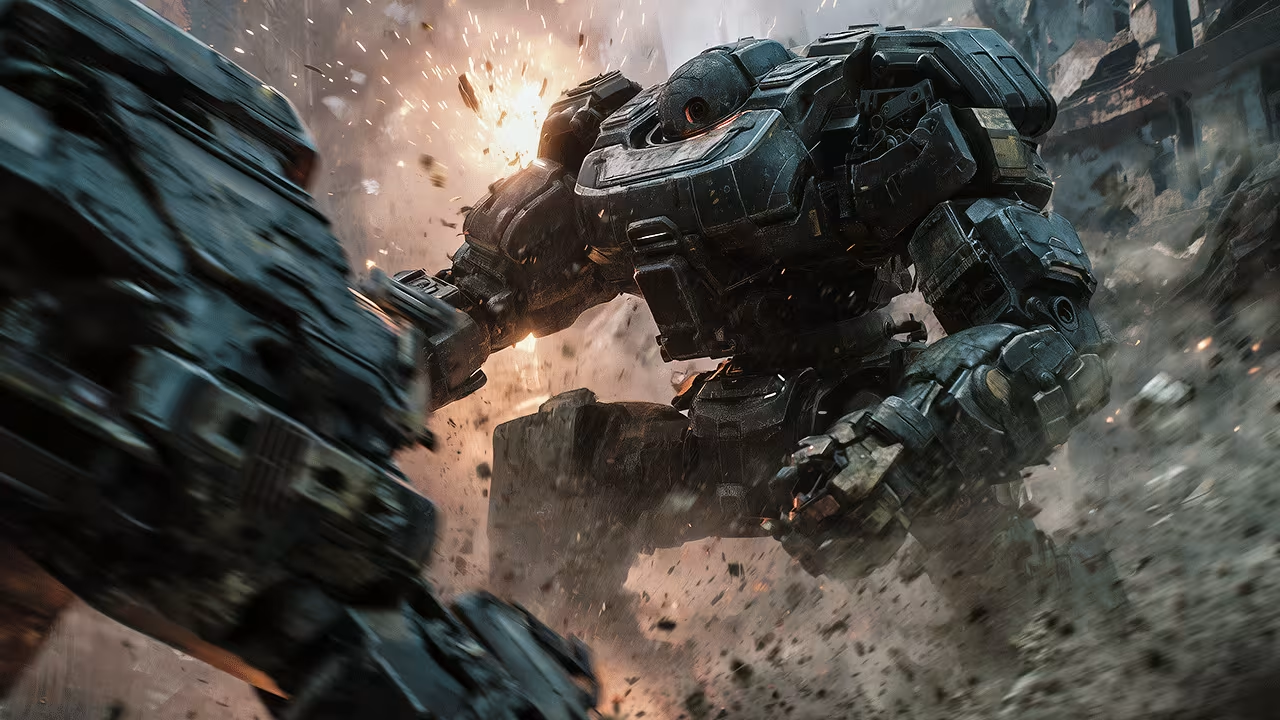
Scale was a central design consideration throughout. “A small mech and a large mech are genuinely different things to record and design for,” Philipp says. “The footstep behaviour changes, the idle resonance changes, and the way the structure absorbs impact changes. We made sure the library had material that was specific to each scale rather than material that had been processed to suggest scale, because experienced designers can hear the difference immediately, and it affects the decisions they make downstream.”
The dismantlement category marks a new category for us. These are sounds for structural failure: components shearing away, parts separating under stress, the staged collapse of a machine rather than a single catastrophic event. Philipp’s view was that most existing libraries handled destruction as a moment rather than a process, and that sound designers building complex sequences needed material that could be layered across time.
The Recording And Synthesis Question
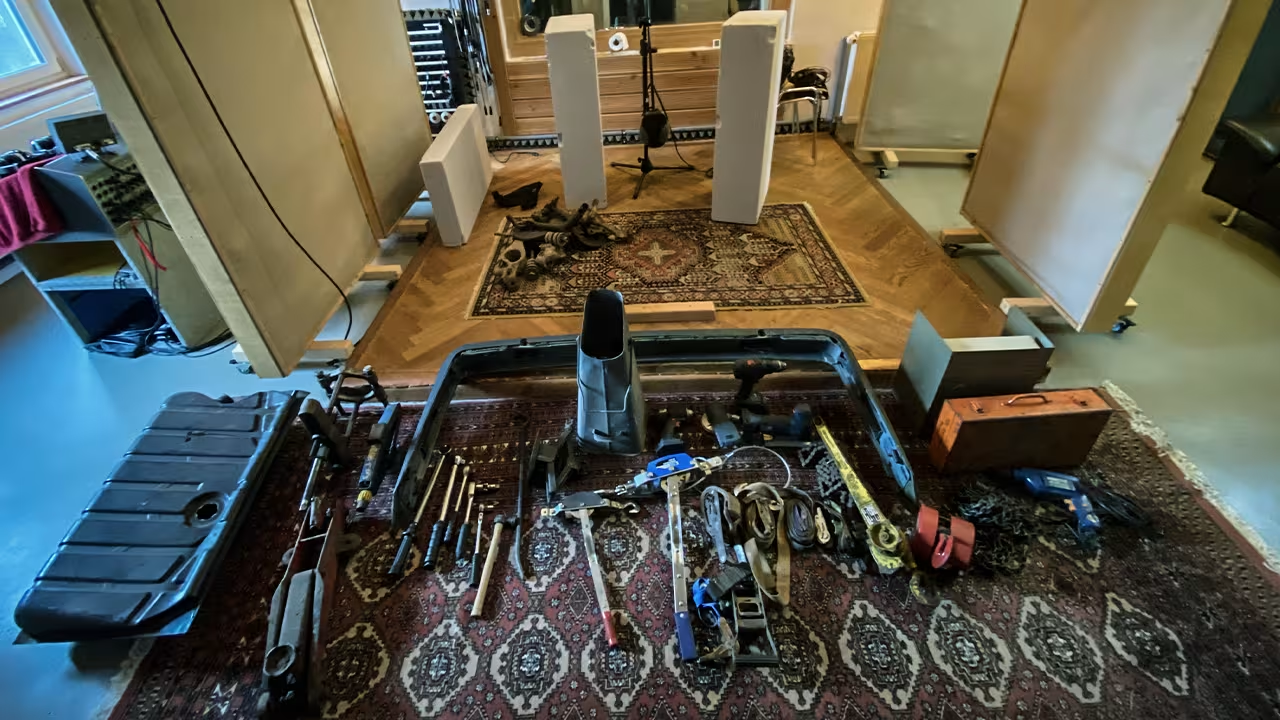
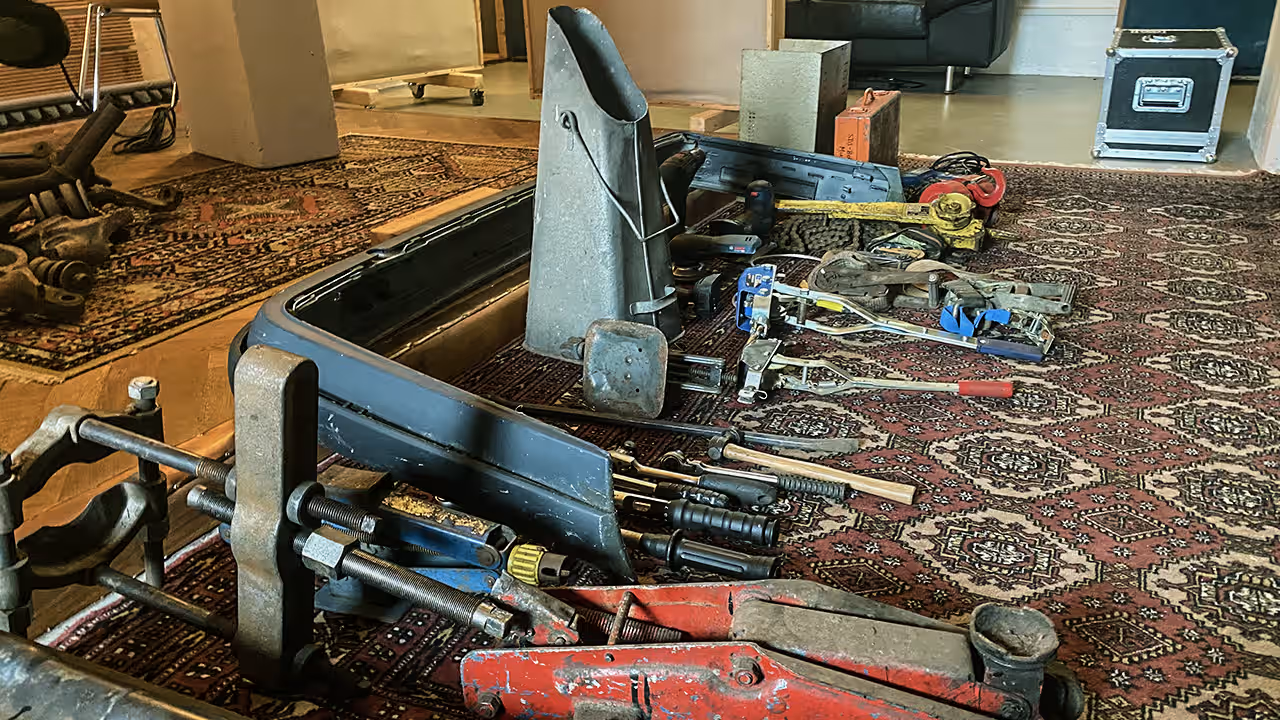
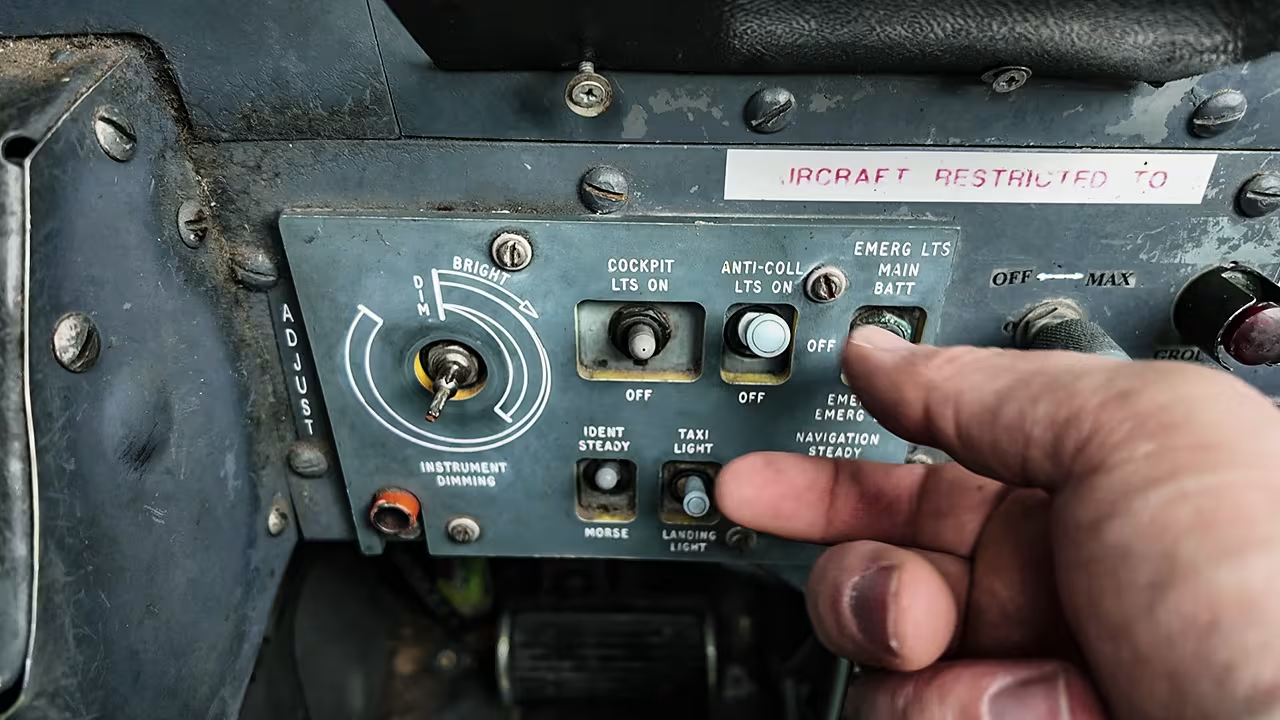
Building a library for machines that do not exist means every recording decision is an act of analogy because there is no reference object to capture. The process is one of finding physical sources that carry the right qualities and then extending them through synthesis into the territory the designs require.
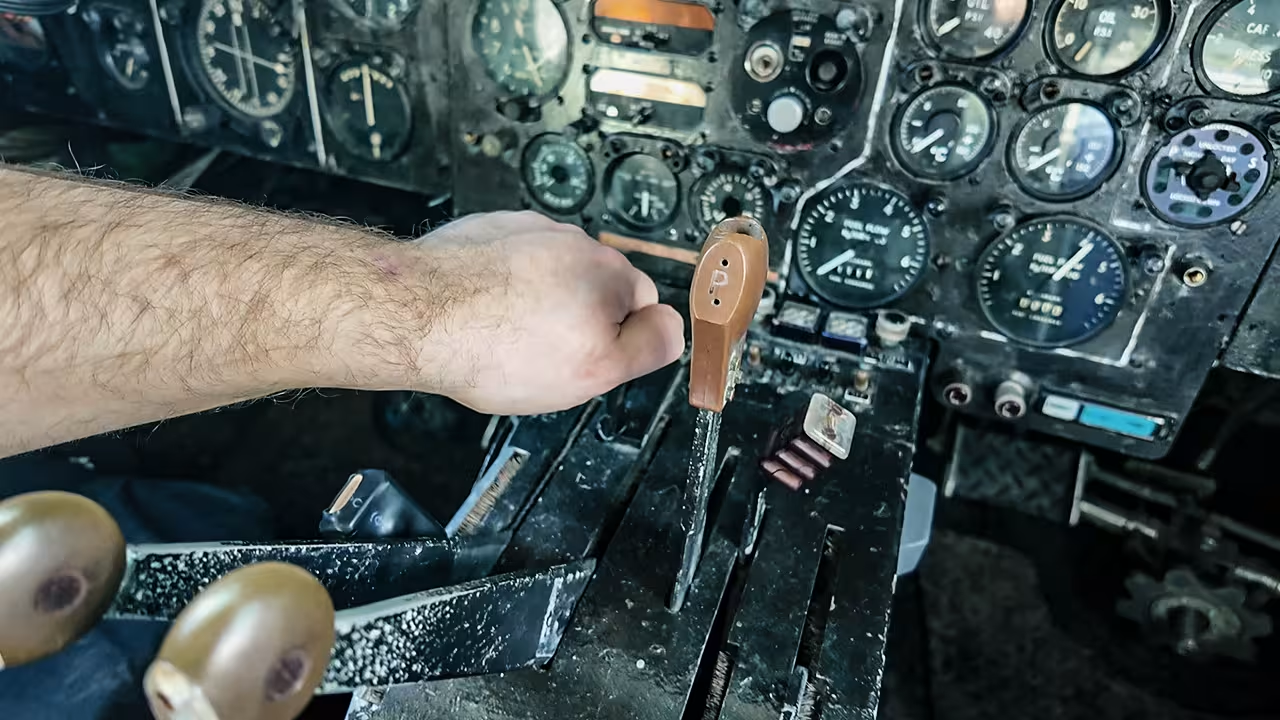
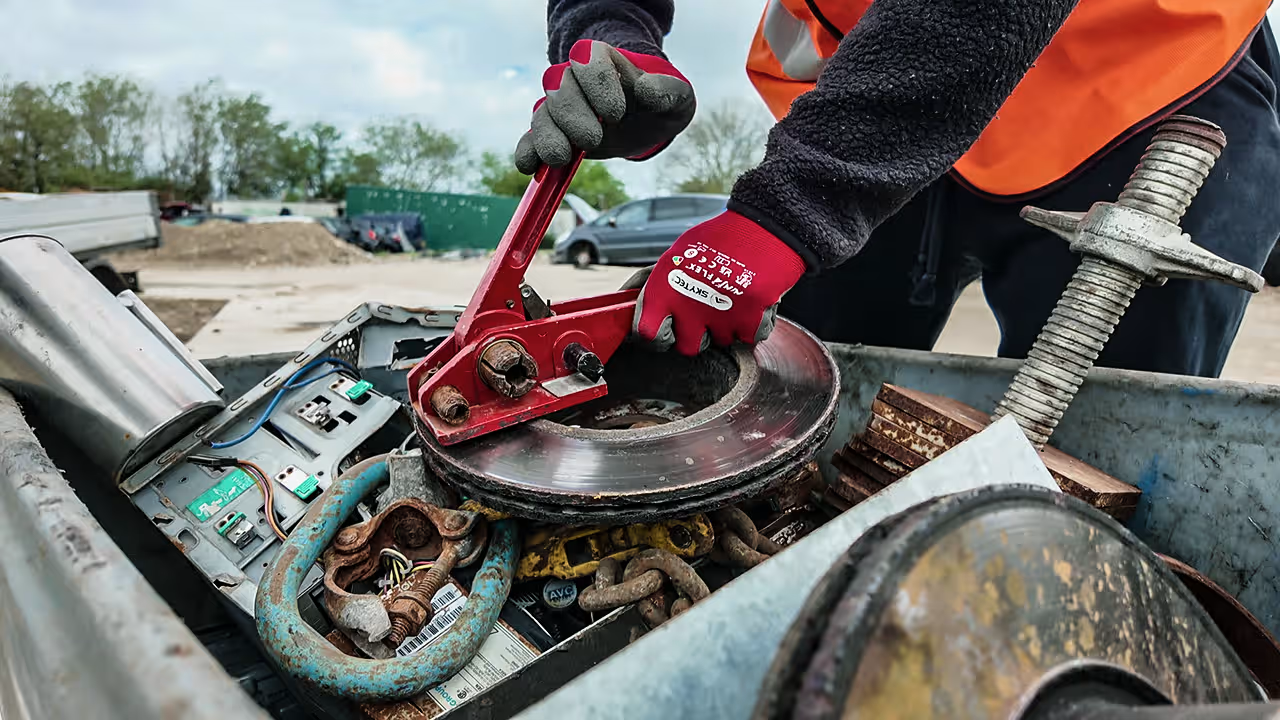
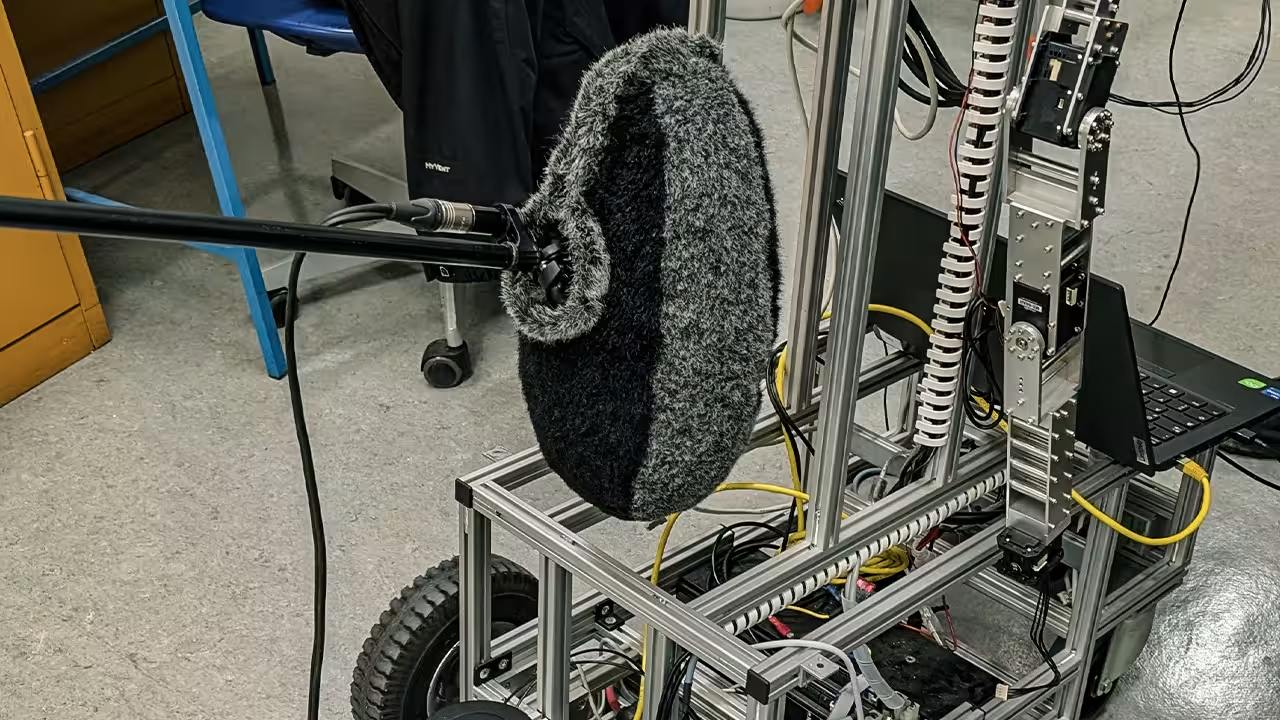
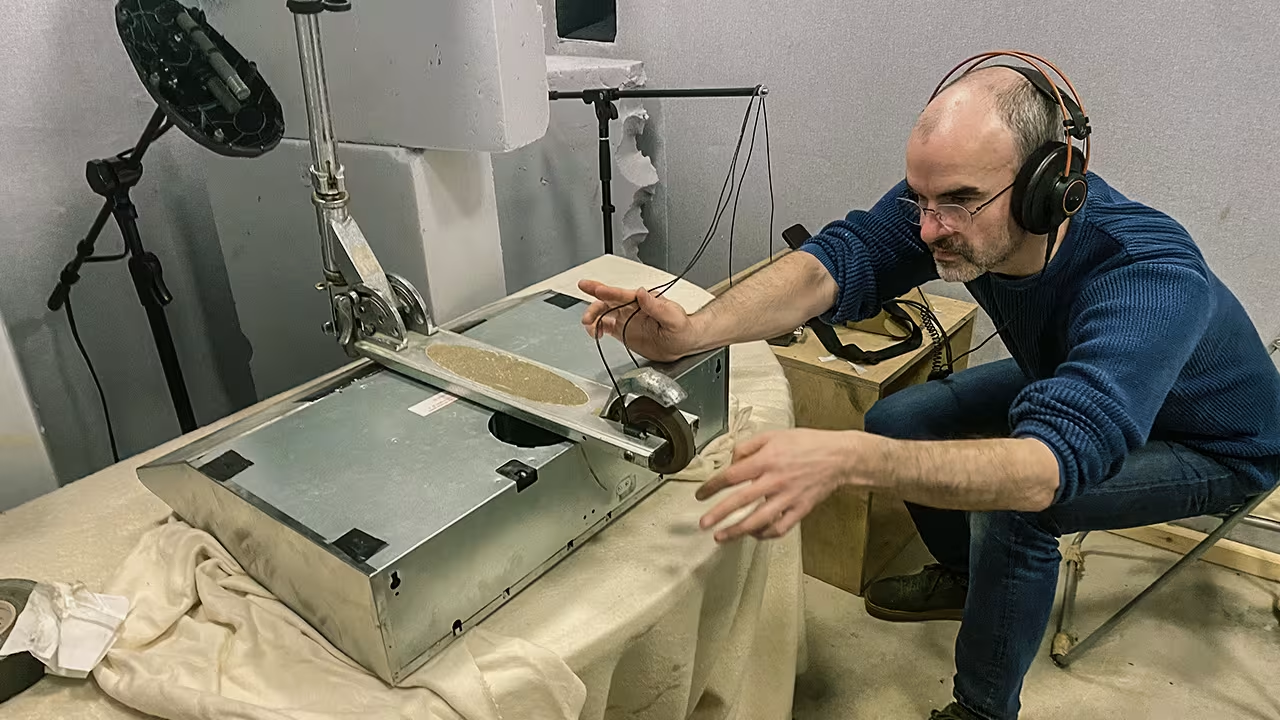
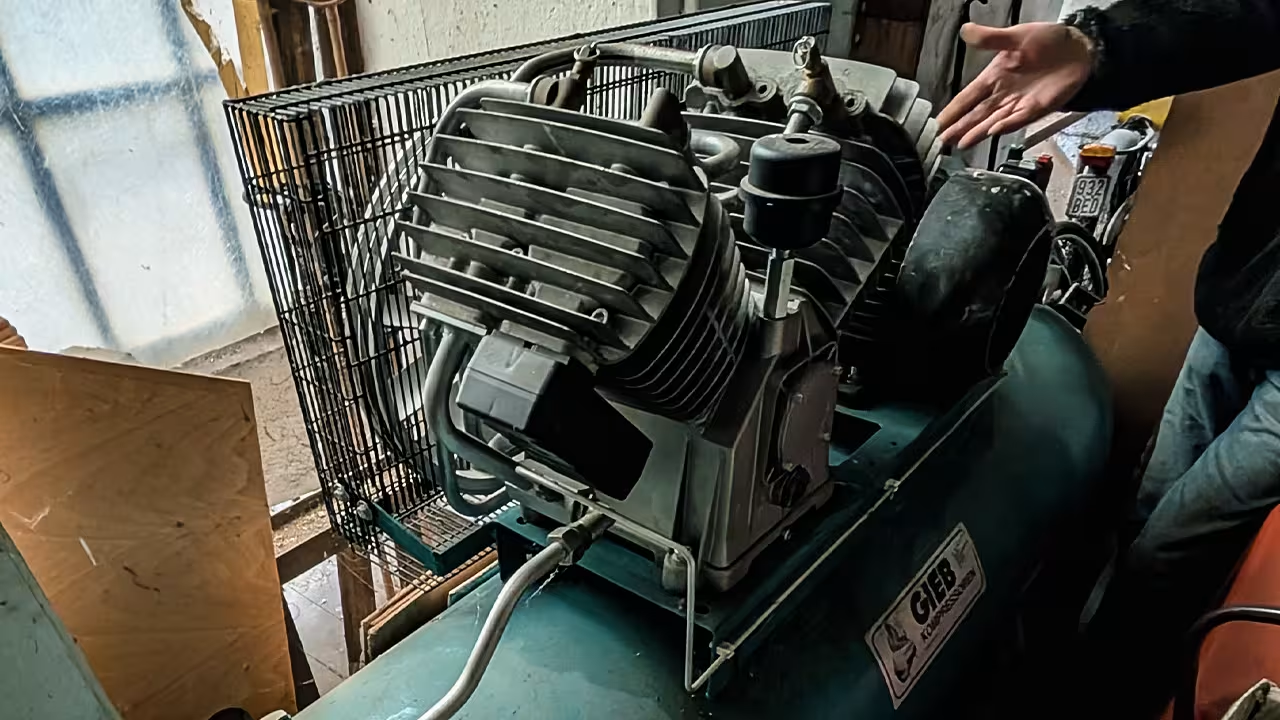
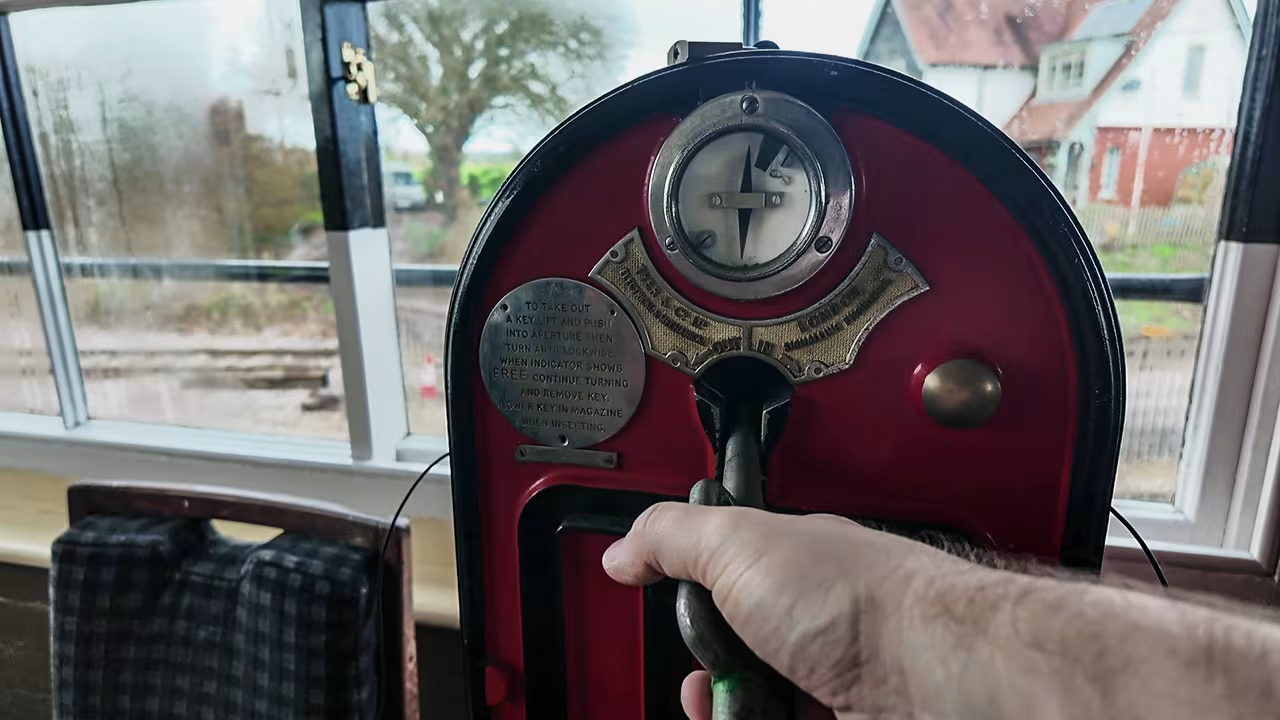
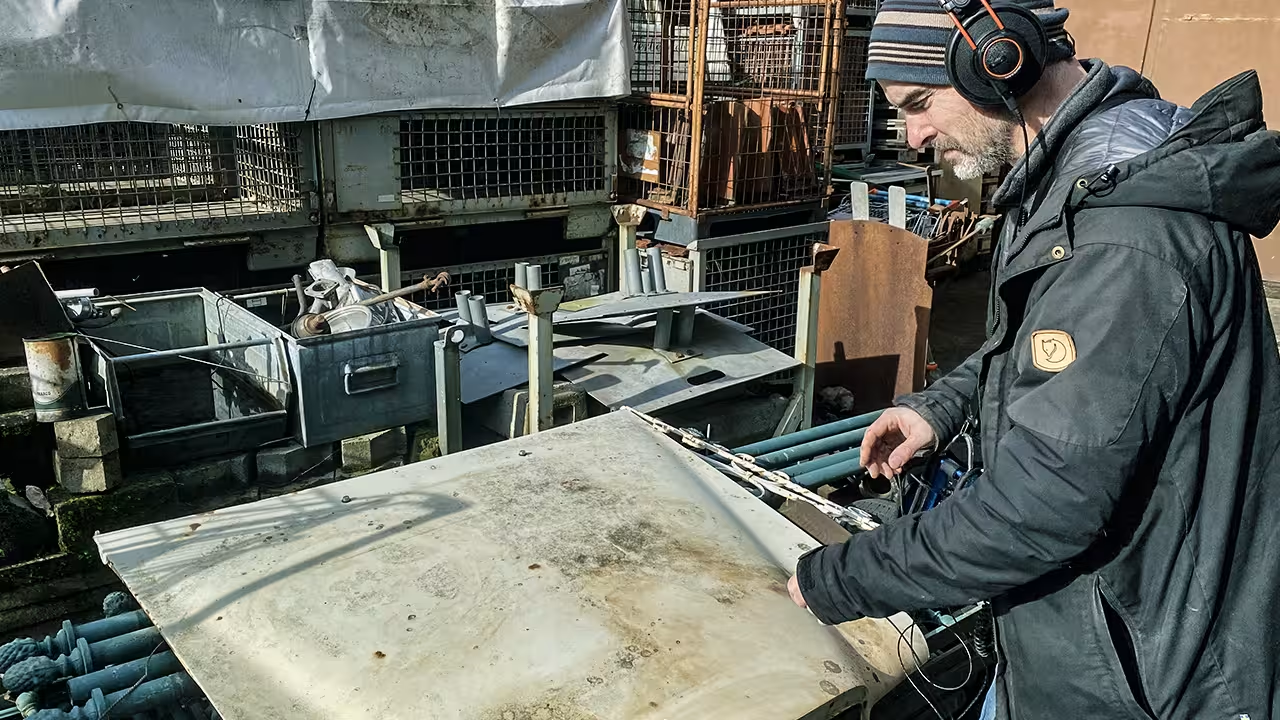
“The foundation has to be real material,” Philipp says. “Metallic impacts, hydraulic movements, air releases, structural resonances. Things that have genuine physical weight when you hear them in a mix. The synthesis work sits on top of that to give the sounds their high-tech character, their precision, the sense that you are listening to something engineered rather than found. If you go fully synthetic from the start, you lose the physical credibility, and the sounds stop working in serious productions.”
Modular synthesis and additive layering were used to extend the recorded base, with the aim of preserving that physical credibility while reaching the register that mech and robot design demand. The distinction Philipp draws is between synthesis as a tool for extension and synthesis as a substitute for recording, and MECHS & ROBOTS sits firmly on the latter side of that distinction.
Expressions And Mechanical Character
One of the more unusual aspects of the library is its expressions category: sounds that give mechanical characters a communicative presence beyond their functional movement. Philipp describes these as the vocabulary a mech uses to signal intent or state without dialogue.
“In games and film, mechs have to communicate without speaking,” he says. “They signal that they have detected something, or that they are taking damage, or that power is building. Sound designers need material for that, and it is rarely well addressed in existing libraries because it requires thinking of the machine as a character rather than a vehicle or a weapon. We wanted designers to have a full vocabulary to work with, from the most functional movement sound to the most characterful expression.”

Who It Is Built For
Game audio teams working on open-world titles, mech-based combat, and sci-fi environments are the primary audience, particularly those building physics-based systems where variation and precision matter as much as quality. The Construction Kit structure gives those teams the individual components they need to build sonic responses that react to player behaviour across thousands of unique interactions.
Film and television editors will find the Designed content covers a lot of ground quickly, while the Construction Kit is there for sequences that need to be built from the ground up. Beyond those core use cases, the material extends beyond the name it might suggest.
Industrial machinery, sci-fi environments, mechanised vehicles, anything that involves metallic movement or structural weight can draw from this collection.
“The category is called mechs and robots, but the sounds are organised around what happens mechanically, not around a specific visual reference,” Philipp says. “Designers working on something that has never been called a mech in their life will find material here that solves problems they have been working around for years.”