Magic UI
Fantasy UI Sound EffectsUI Meets Magic
Three weeks into a fantasy RPG build, the interface still sounds like four different libraries: a wooden creak from one, a shimmer from another, a confirmation tone from a third, none of which agree with each other, and every hour spent forcing them together is an hour not spent designing. MAGIC UI carries the whole interaction vocabulary in one coherent set, from the faintest hover to a full quest complete, built so the parts already belong together. The organic layer was recorded from real wood, stone, metal, glass and leather in historic castles and a typewriter museum, with a magical tonal layer on top that gives every interaction its own recognizable signature.
Watch The Trailer
Menu navigation, selection, confirmation, system feedback, loot, rewards, progression, quests and economy are all covered in a single set. You stop matching mismatched material from three libraries and start building an interface that already agrees with itself.
The organic layer was recorded from real wood, stone, metal, glass and leather, on location in historic castles and a typewriter museum as well as in the studio. Every click and confirm carries the mass of an actual object, so the interface feels held rather than generated.
The organic layer gives the interface its physical foundation: texture, motion and credibility. The tonal magical layer gives it purpose: signaling importance, shaping emotion and pulling the player deeper into the fantasy world.
Every interaction sits on a defined hierarchy: tiny for focus and hover, small for select, medium for confirm, large for quest complete and level up. Drop a sound into a build and it already knows its place.
What’s Inside
MAGIC UI - Construction Kit
Organic Sources and Magical Layers
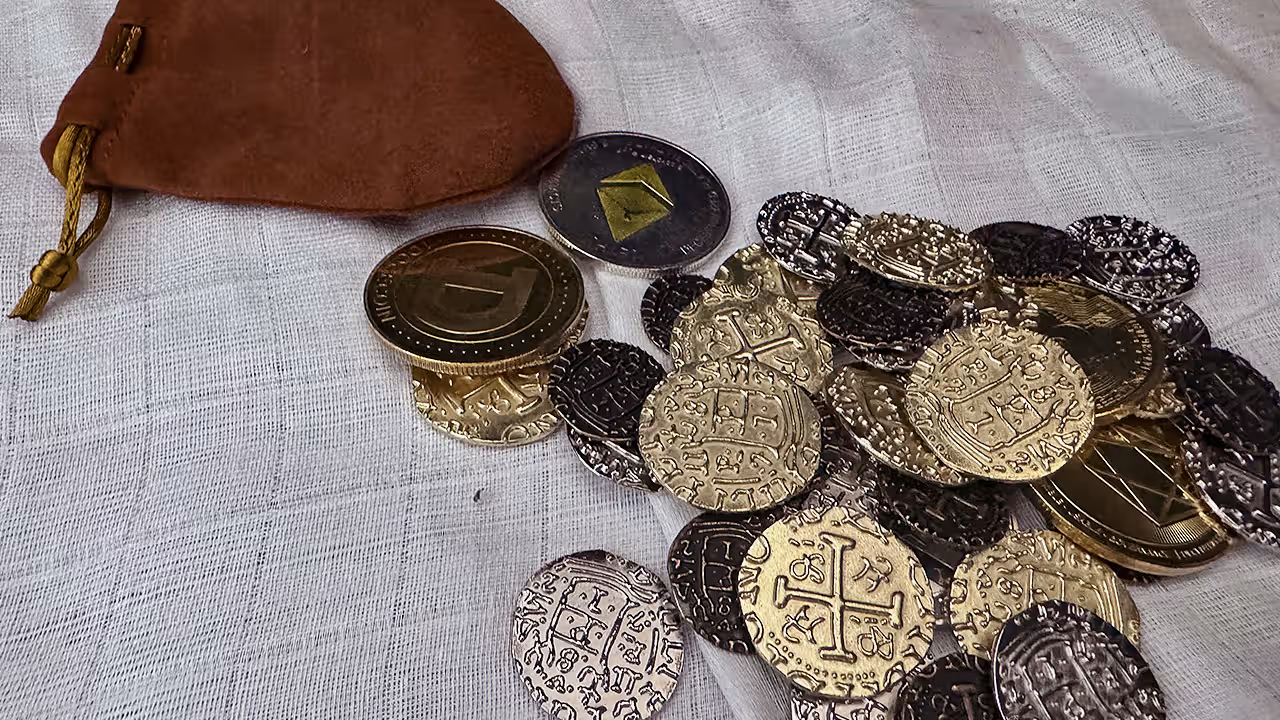
The Construction Kit is built around organic source material and magical design layers: cloth, leather, paper, wood, stone, metal, glass, liquid, coins and mechanical movements alongside hits, rattles, pings, whooshes, sparkles, swells, tonal beds, tonal pings, magical bursts and magical motion.
For almost every type of UI interaction there is a specific articulation, from sharp transients for clicks and confirms to soft material movement for hovers and focus states, rattles and impacts for inventory and loot, airy or low-frequency motion for transitions, and tonal elements for magic and rarity.
A Toolkit, Not a Folder
These elements are designed to be layered, edited, pitched, shaped and processed into a unique UI language. The goal is not to hand over isolated source sounds but to give you control over weight, timing, material character, frequency balance, magical tone and interaction feel. Whether you are designing subtle menu navigation, potion feedback, quest cues, reward tiers, chest openings, map interactions or magical progression moments, the organic and magical layers needed to build them in your own style are already in the set.
Designed, Construction Kit, Bundle: What's the difference?
Technical Specifications – Edition: Construction Kit
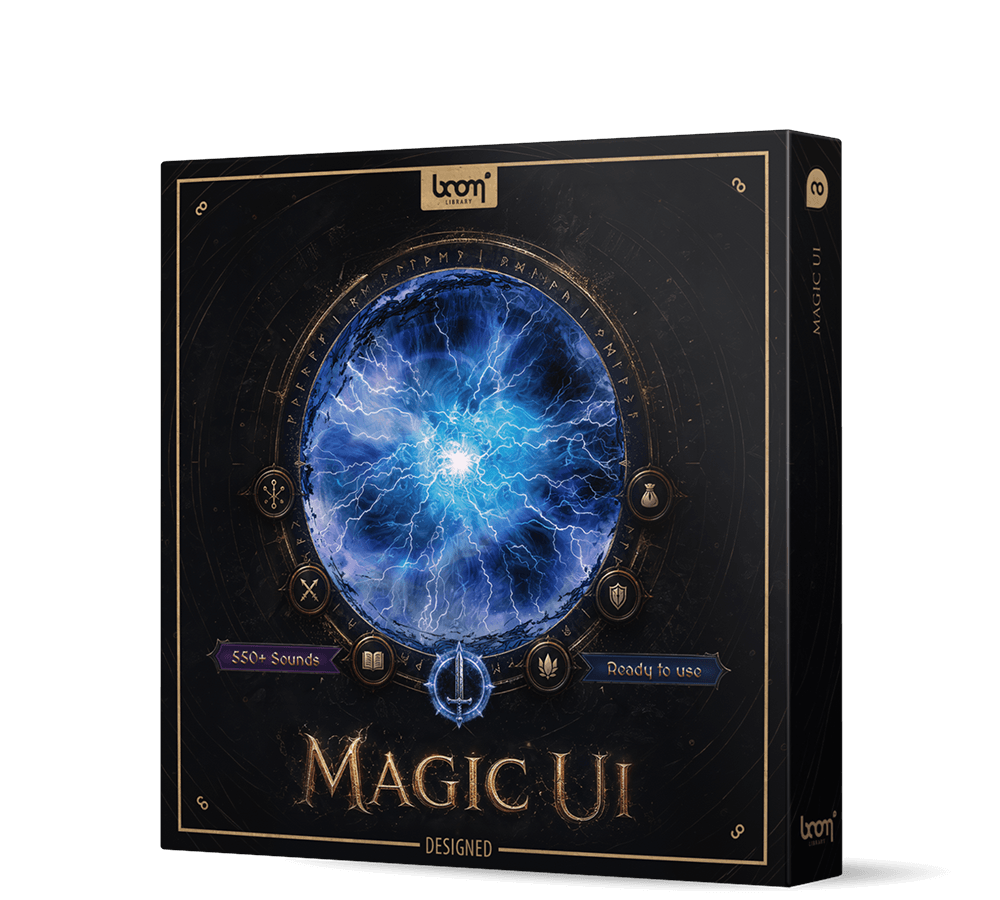
MAGIC UI - Designed
Menu Navigation and Gameplay Moments
The Designed edition provides 144 polished, ready-to-use fantasy UI events built around two pillars. For menu navigation it covers focus, select, tab switch, confirm, invalid, notification, progress states and small or large menu open and close, all designed for clear functionality, readable transients, controlled length and consistent character. For gameplay it covers reward tiers, quest accept, checkpoint, complete and fail, level up, chest openings, poofs, whooshes, health and mana potions, buy and sell, and map open and close.
Ready to Implement, Ready to Customize
The Designed sounds can go straight into implementation, and they also work as a sound design base. They can be edited, trimmed, filtered, re-pitched, layered or stripped back to fit a specific interface, hierarchy or mix context. This is the edition to reach for when you need fast, production-ready UI feedback while keeping enough flexibility to adapt the sounds to your own project style.
Designed, Construction Kit, Bundle: What's the difference?
Technical Specifications – Edition: Designed
Construction Kit and Designed Content Combined
THE BUNDLE - The best of both worlds at a discounted price.
The Bundle delivers the full library: every Construction Kit element plus the complete Designed edition at a reduced combined price. It suits teams who want production-ready feedback in the build on day one and the organic and tonal layers to build a unique, distinctive sound language of their own on top. The Construction Kit includes the exact source material the Designed edition was built with, and more. The combination feels natural and supports a fast workflow with high detail easily added.
Designed, Construction Kit, Bundle: What's the difference?
Technical Specifications – Edition: Bundle
Frequently Asked Questions
What We Recorded
To create believable fantasy interfaces, we started from the real, physical materials these worlds are built from and transformed them into something both familiar and magical. Recording ran on location and in the studio, so MAGIC UI carries both the character of real spaces and clean, close, controlled material that drops into an interface without a room attached to it.
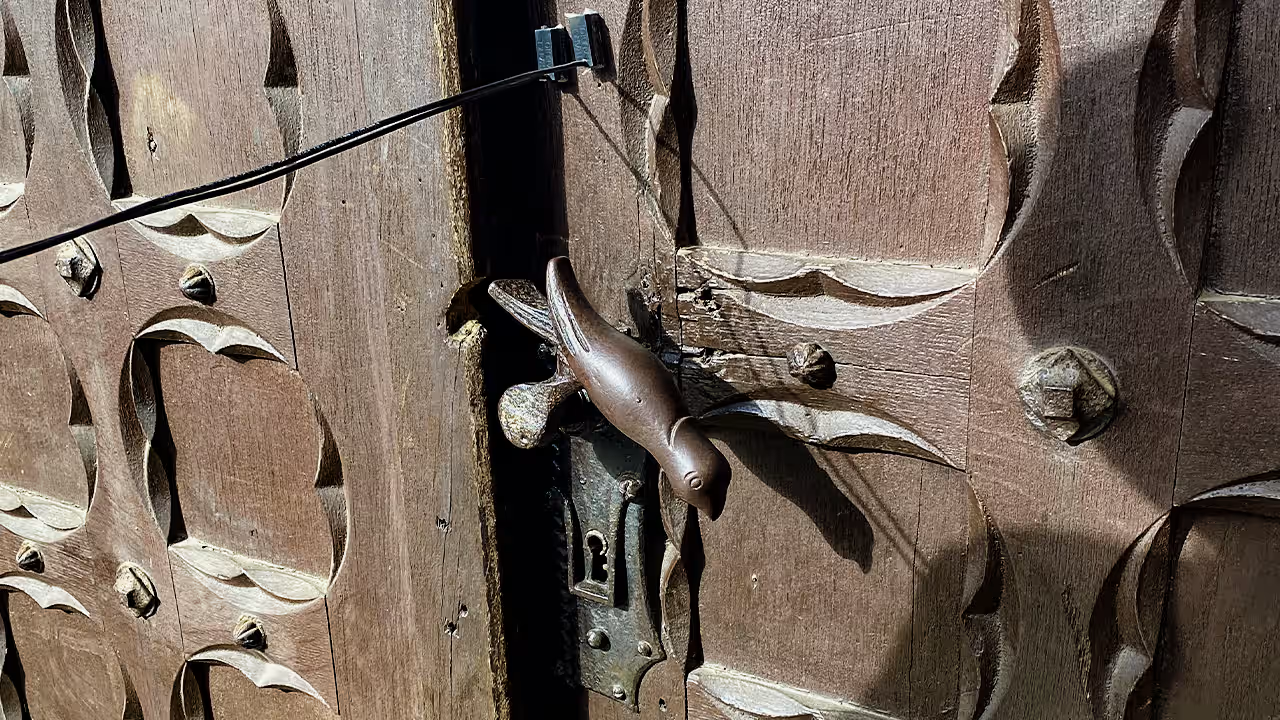
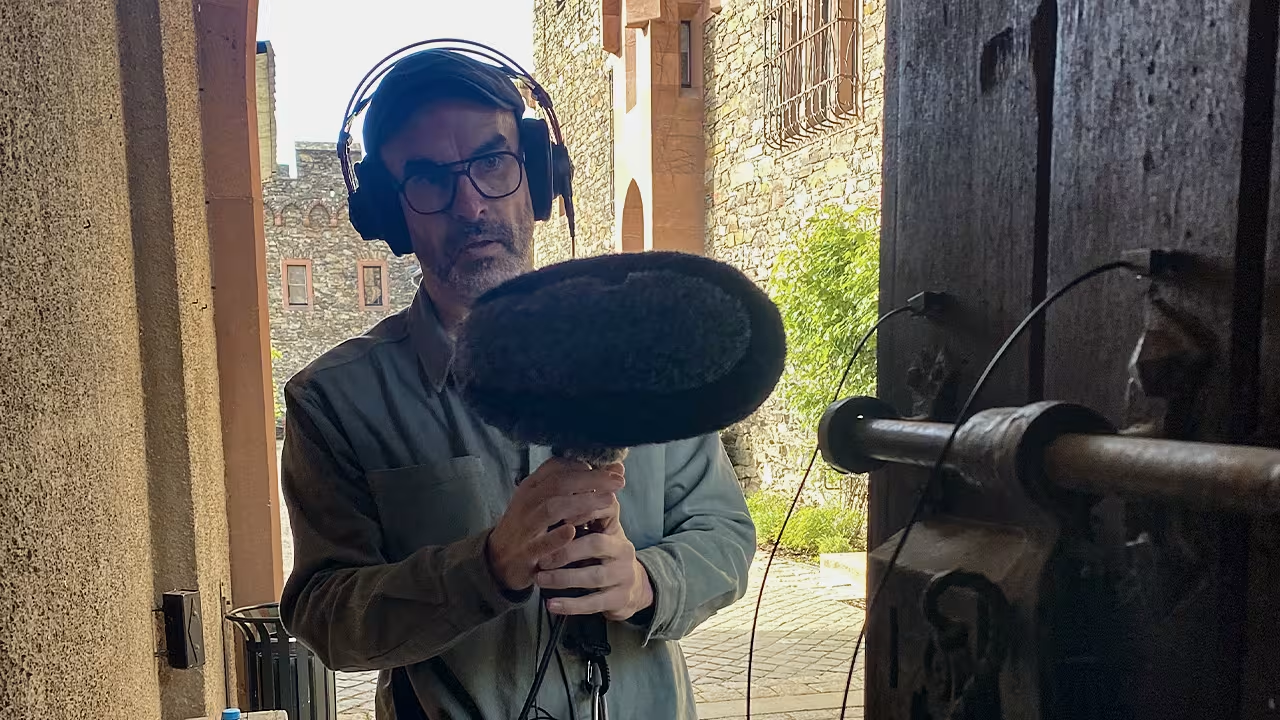
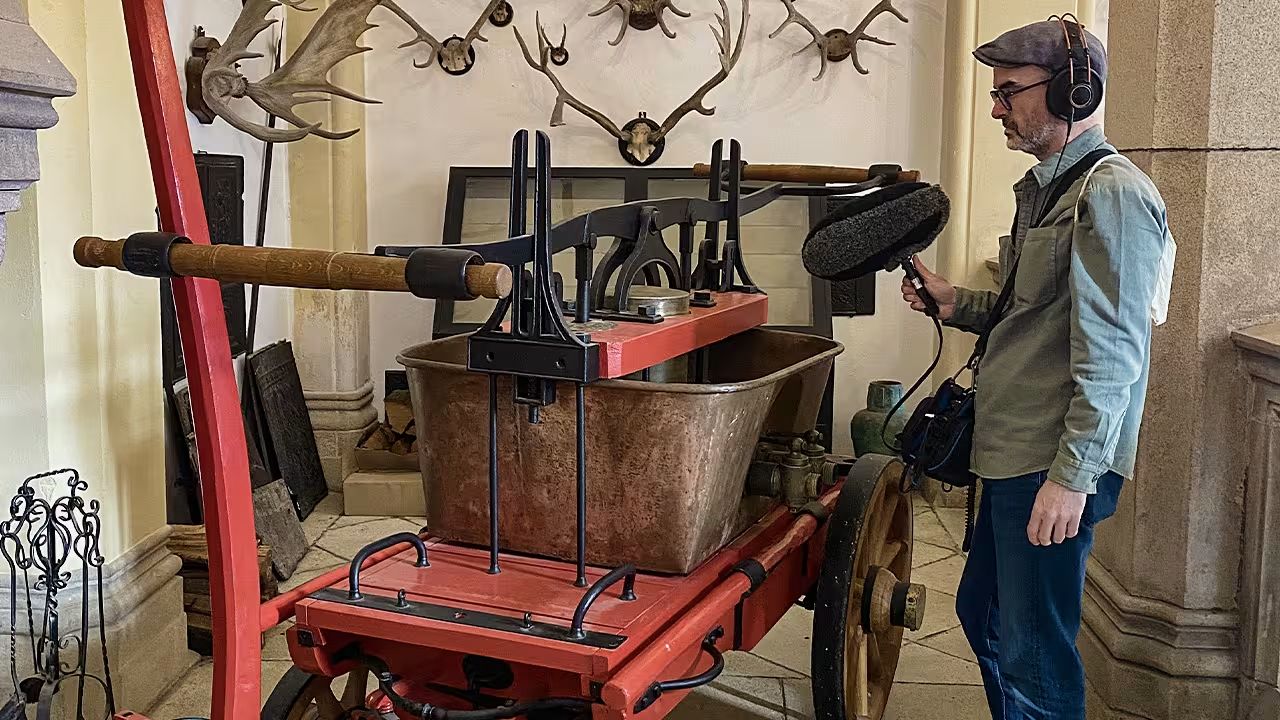
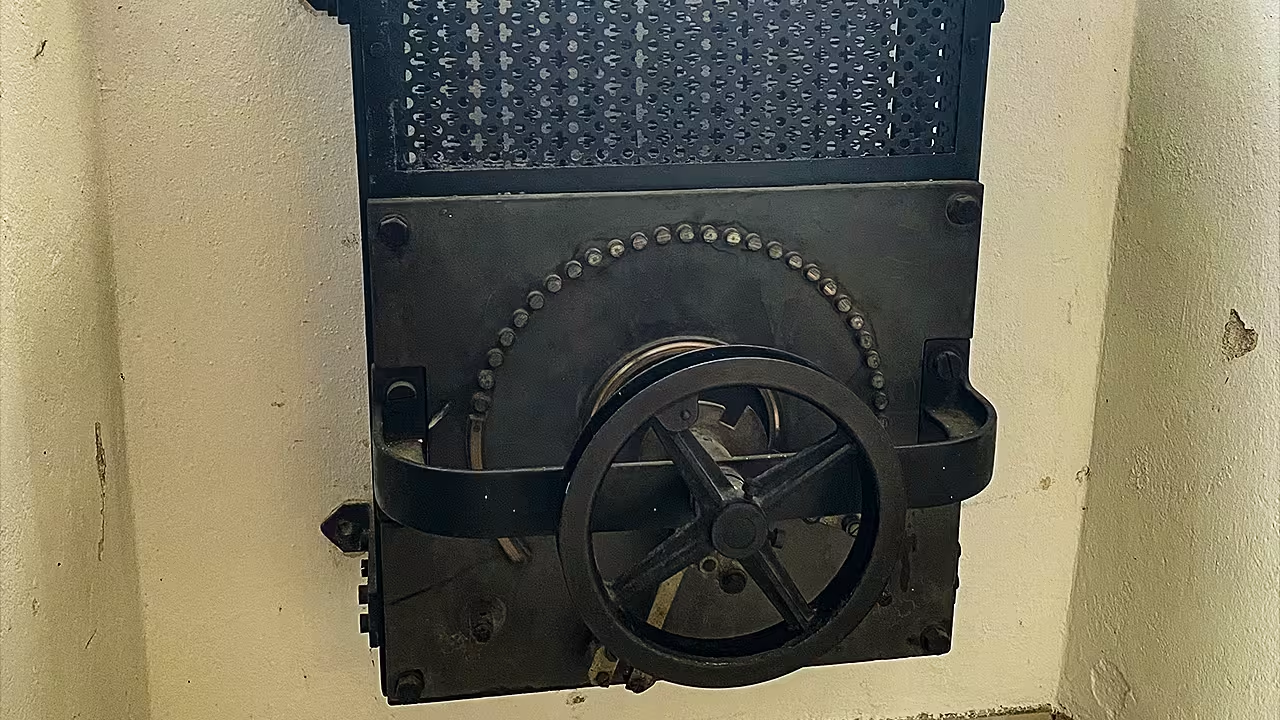
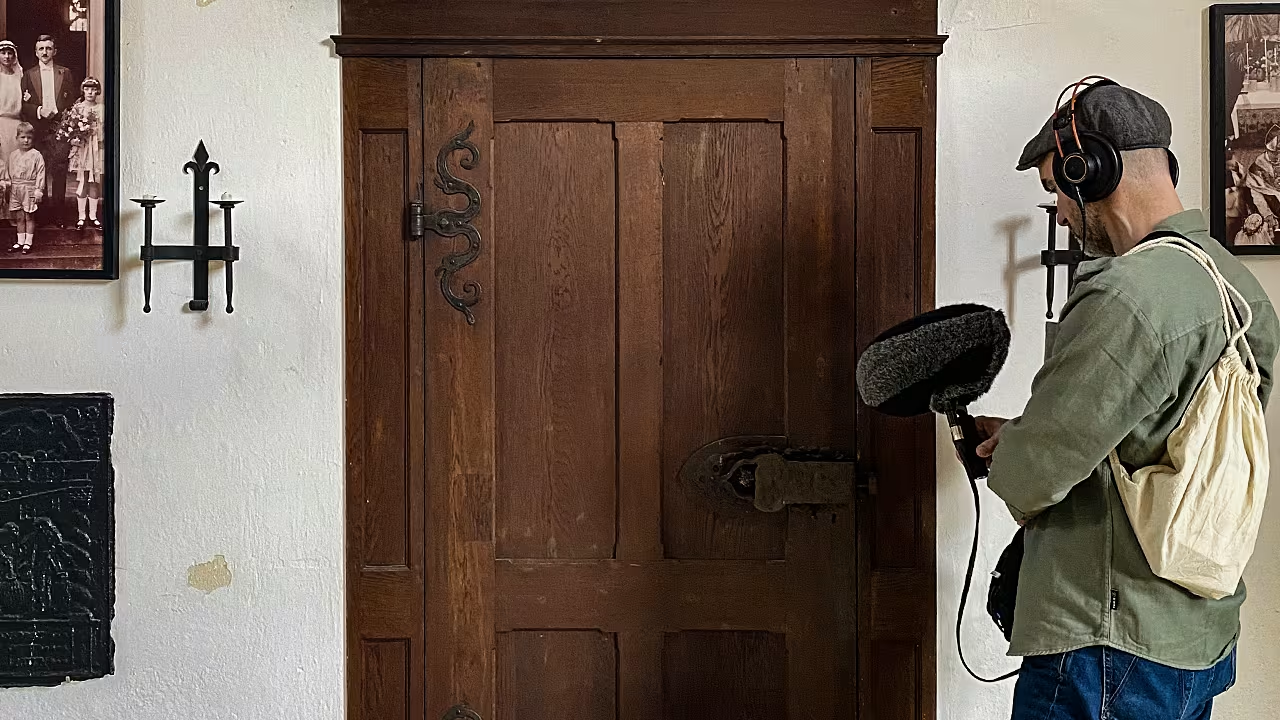
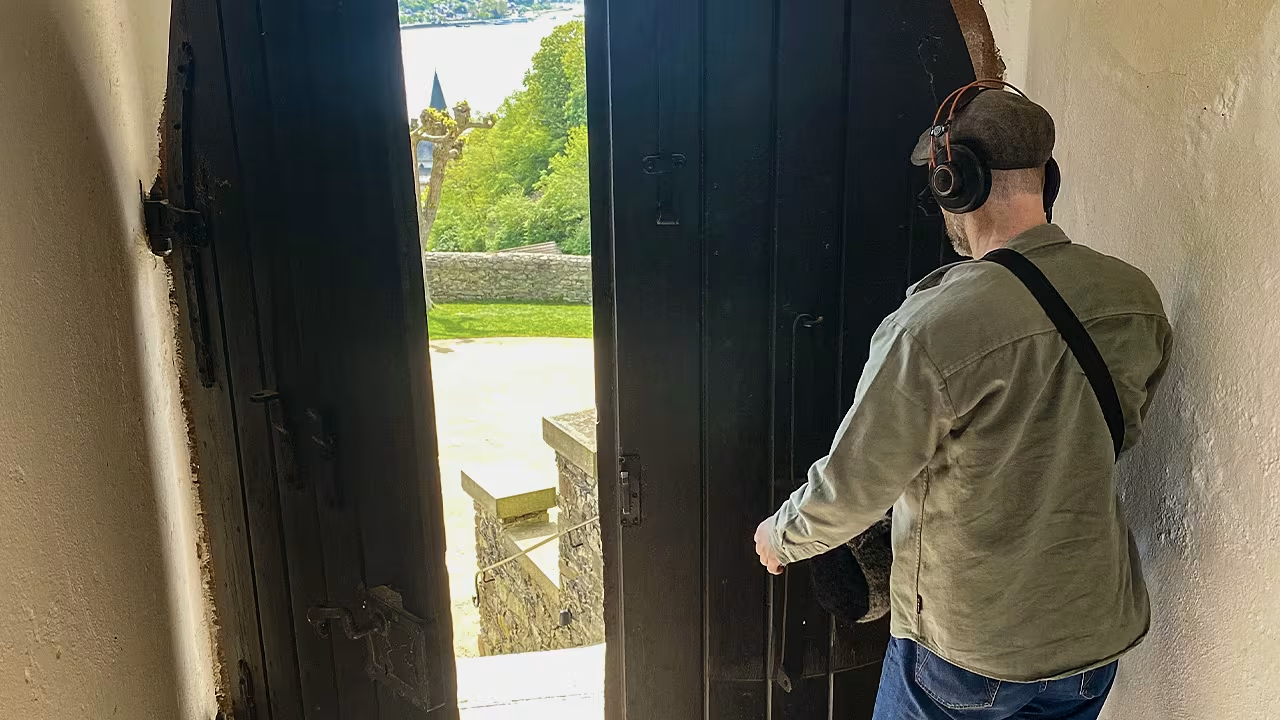
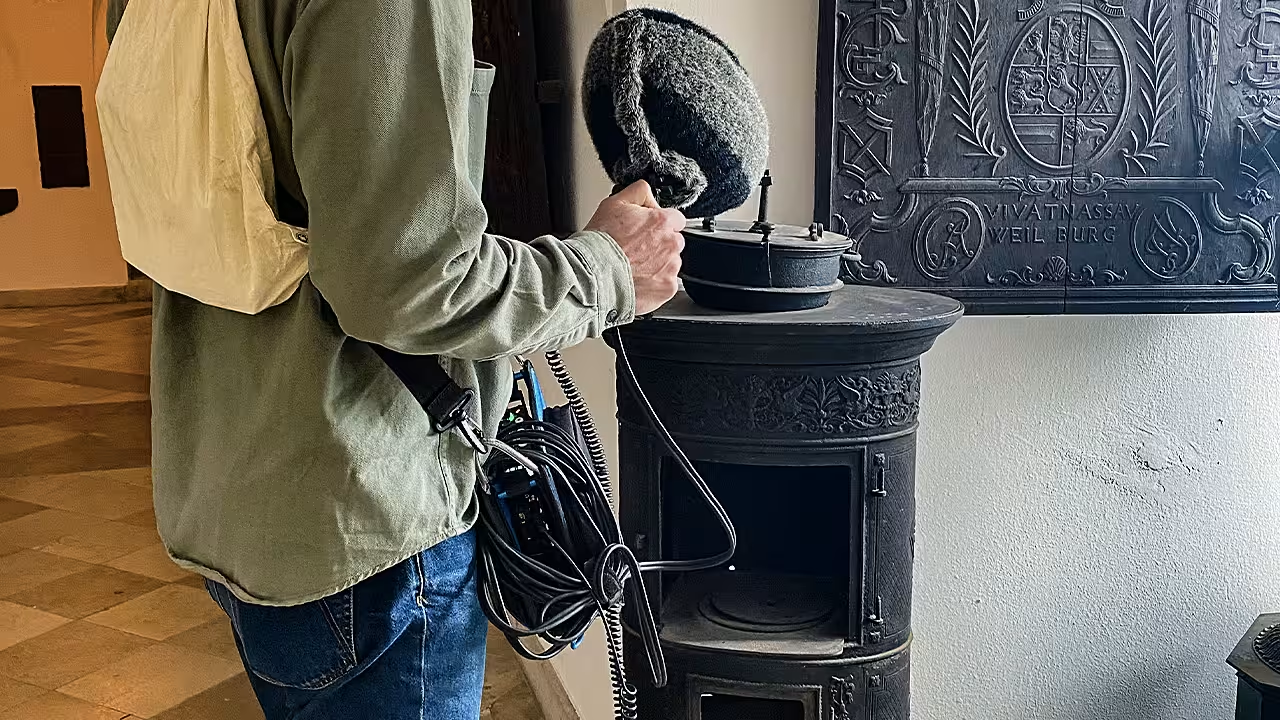
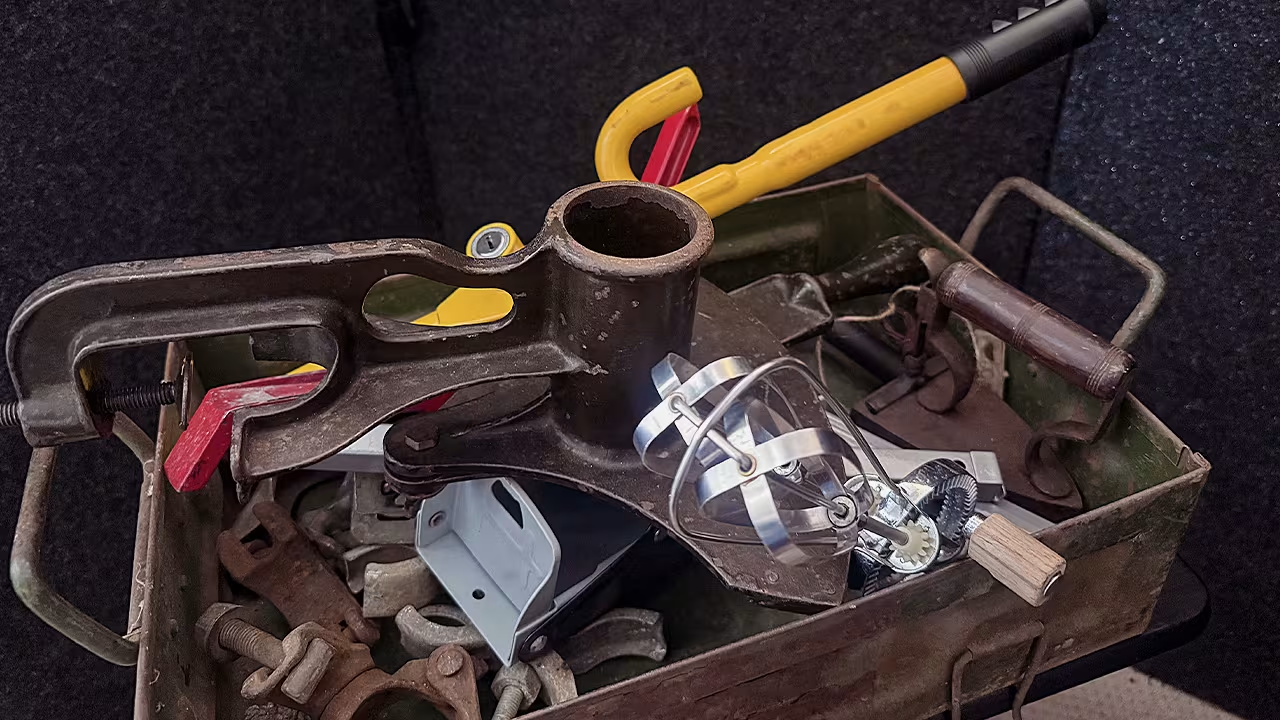
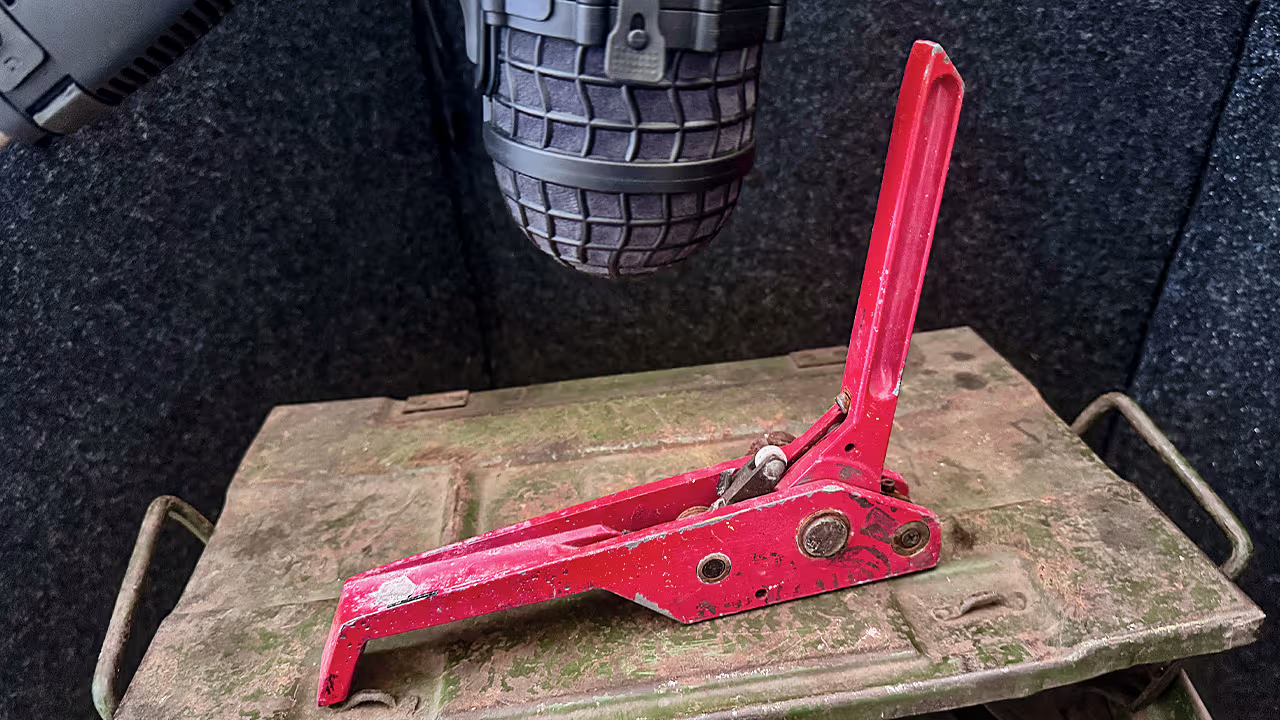
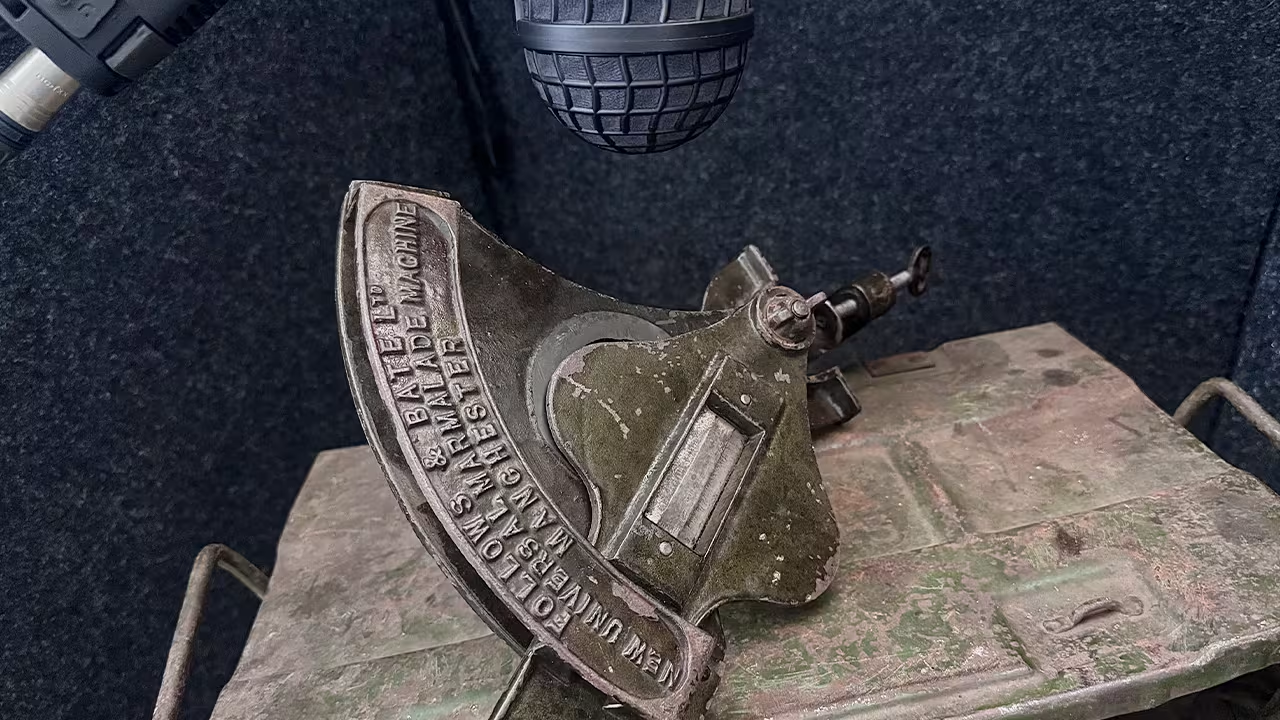
Castles and old buildings. We traveled to historic castles and old buildings to capture the foundation of the organic layer. Heavy wooden doors creaking on iron hinges, ancient locks turning, latches snapping into place, chests opening and closing, wooden handles, ornate brass mechanisms, parquet floors creaking under weight, leather-bound books being opened. Every recording carries the tactile weight of real material with mass and history.
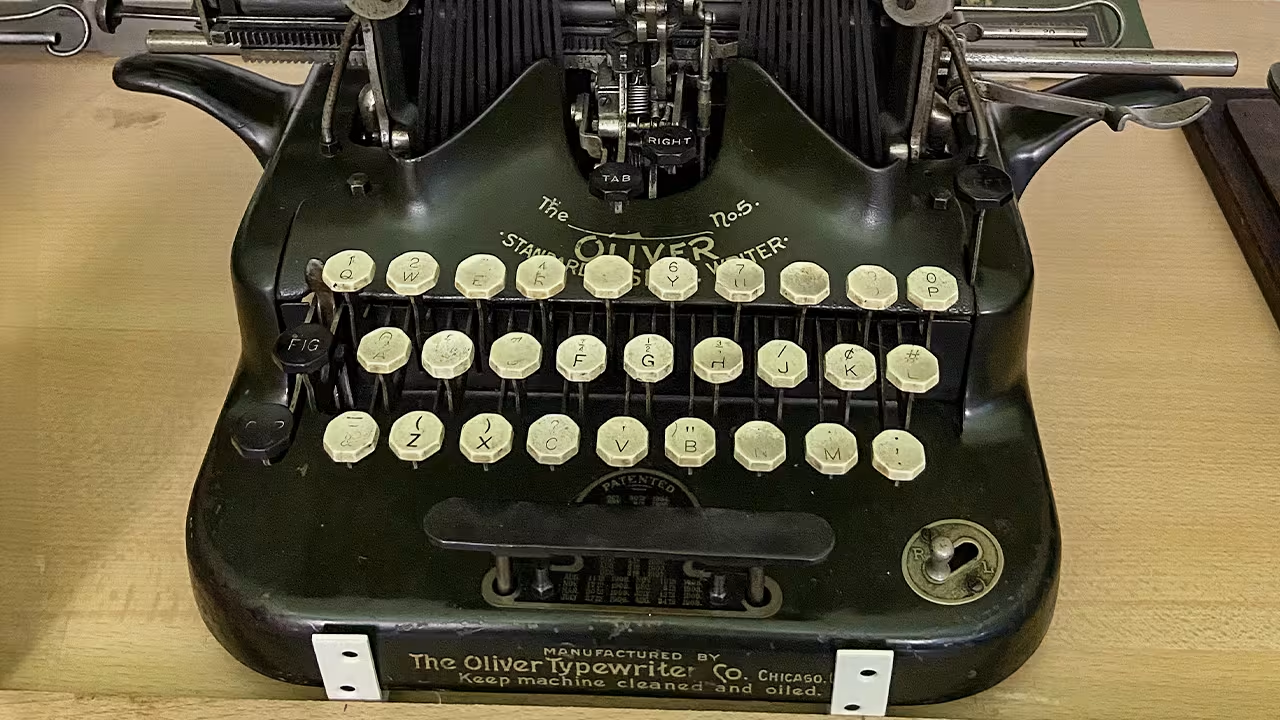
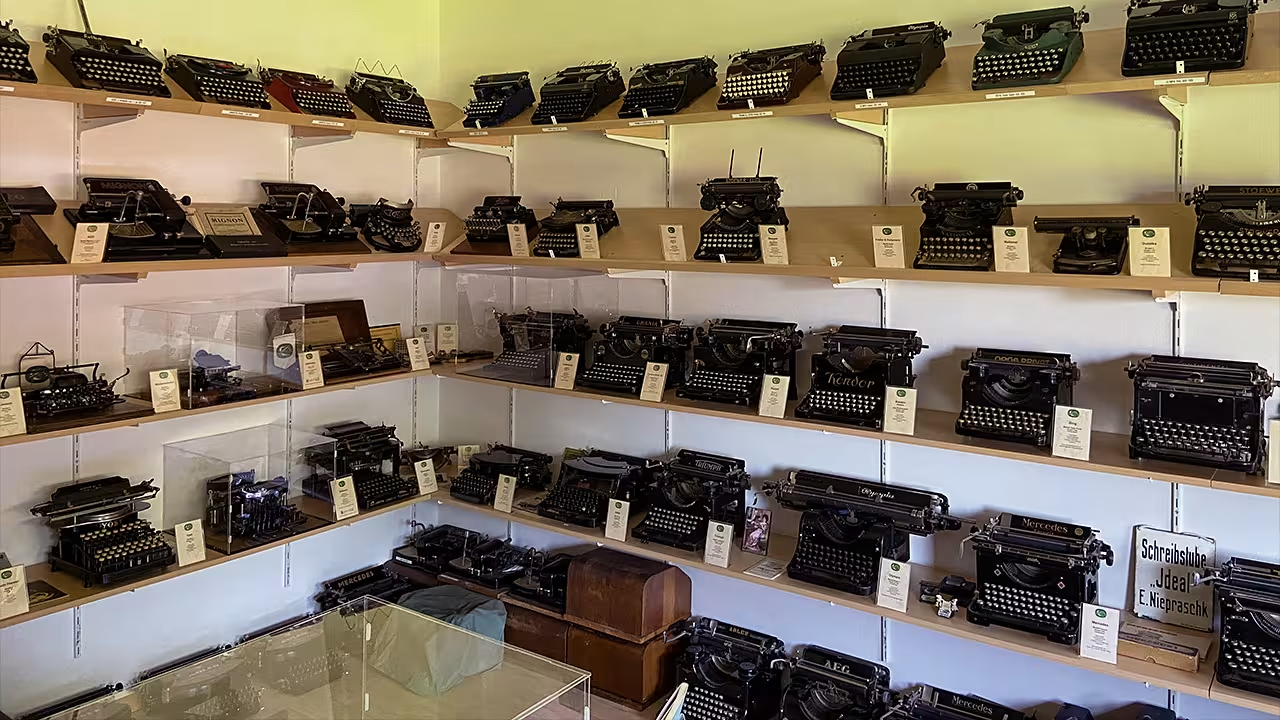
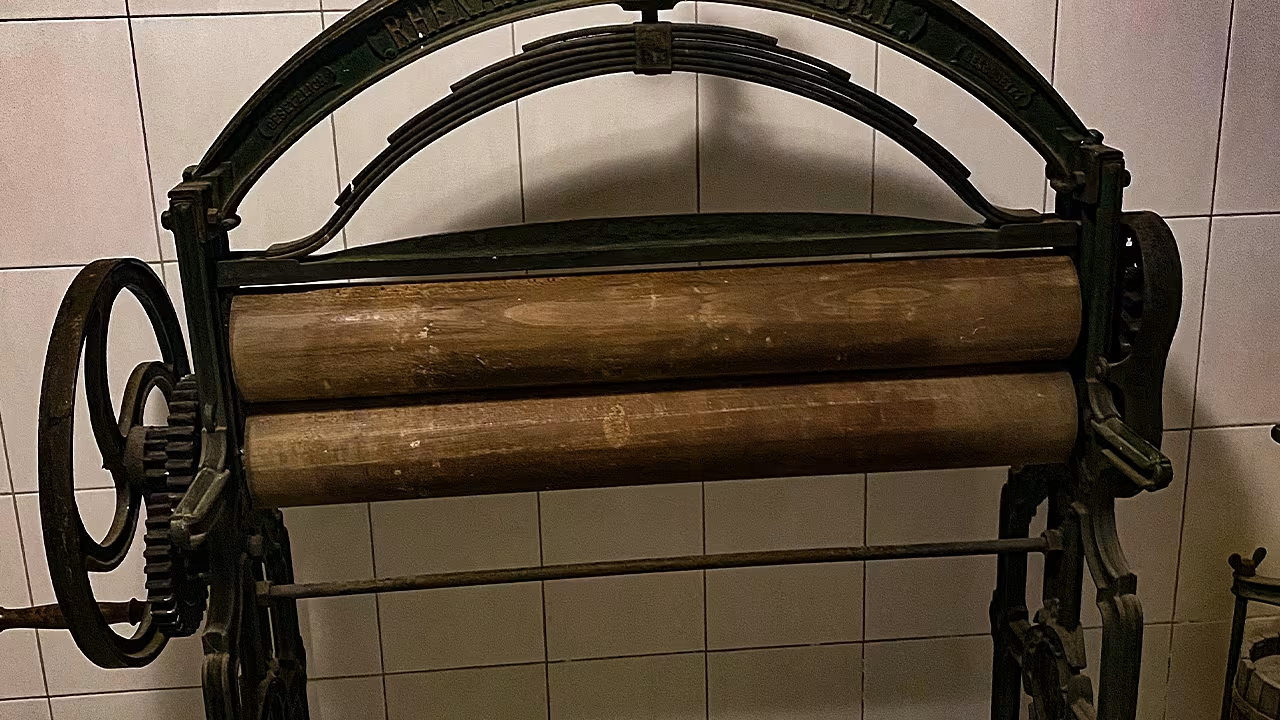
A typewriter museum. A particularly rich source was a typewriter museum, where we captured the precise mechanical voice of vintage typewriters and mechanical instruments. The crisp action of individual keys gave us subtle clicks for hover and selection. Heavier strikes and carriage returns provided defined confirmation tones. Internal gears, levers, springs and ribbon mechanics became the raw material for complex interface and chest sounds.
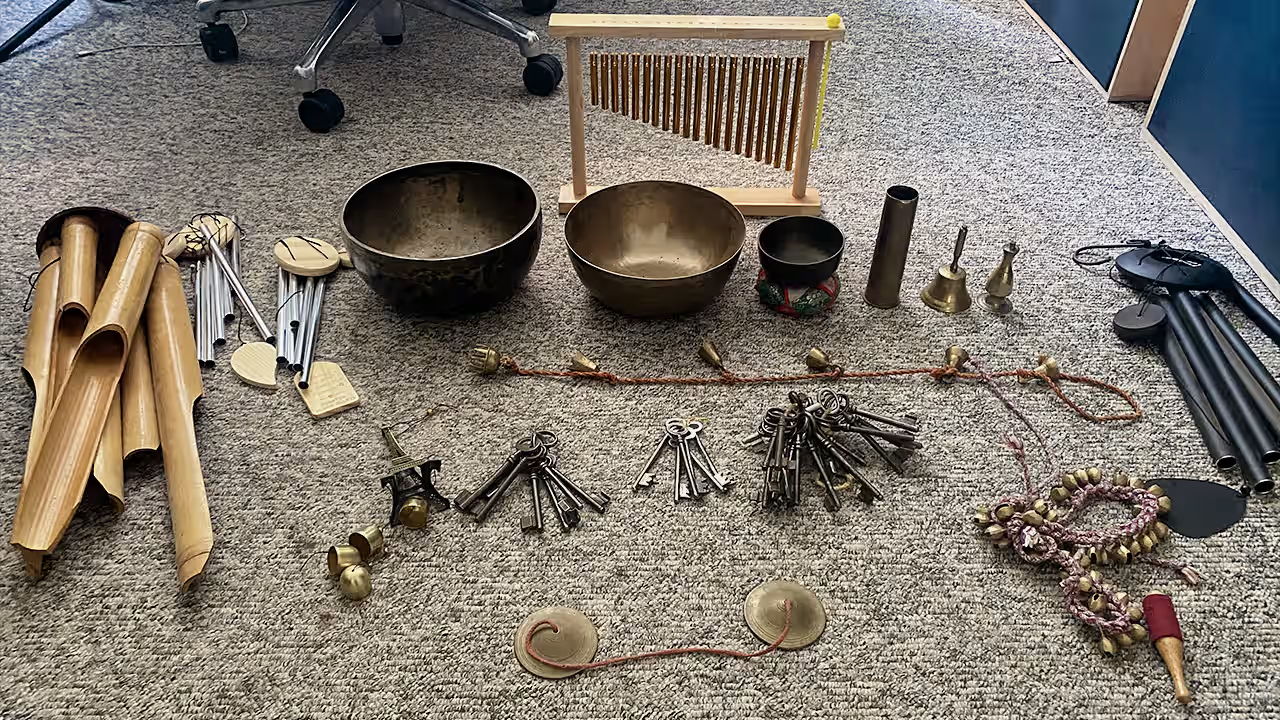
Magical and tonal sources. For the magical and tonal layer we explored a wide range of resonant and harmonic sources: crystal glasses bowed and struck, metal singing bowls, glass harmonicas, tuned wind chimes, and various forms of granular synthesis applied to organic source recordings. Layered over the organic foundation, they define character and deliver clear, satisfying feedback to the player.





What’s so special about this library?
Everything in One Set
Fantasy and RPG games lean heavily on interface sound, and designers often build it the hard way: pulling a wooden creak from one library, a magic shimmer from another, a confirmation tone from a third, then fighting to make those mismatched pieces sit together as one coherent interface. MAGIC UI removes that problem by carrying the whole interaction vocabulary in a single coherent set, from the faintest hover to a full quest complete, built so the parts already belong together.
Organic Foundation, Tonal Character
The construction is deliberately hybrid. An organic noise layer supports motion and process, embedding sounds naturally into the interface through real materials and physical texture. A tonal magical layer defines character and delivers clear feedback, providing identity, melody and emotional weight. The balance between the two is the point. The tonal layer is selective rather than constant: subtle actions like a basic click or hover can sit on the organic sound alone, and the tonal element comes in where it adds real feedback or emotional weight.
Every Sound Knows Its Place
Everything sits on a defined hierarchy, so sounds scale from minimal feedback to large moments in proportion to what just happened. Tiny for focus and hover, very subtle and almost transparent, minimal presence. Small for select, a light click with clear response. Medium for confirm, a stronger impact with added weight and short sustain. Large for quest complete and level up, a big moment with depth, sustain and cinematic feel. A designer dropping a sound into a build does not have to establish that relationship by hand, because it is already built into the set.
Grounded, Not Cartoon
The design brief is as much about what the library refuses to be. No bouncy, emoji-style sounds or playful comedic textures. Not the lightweight ping-and-pop of casual mobile UI. Not a sterile, purely digital interface vocabulary. Every interaction has weight, intent and seriousness, and real materials with crafted texture replace generic synthetic clicks.
Fits Your BOOM Toolkit
Within our own catalog, MAGIC UI is the connection between MODERN UI and CASUAL UI, and it links directly to the Magic Series. That makes it an extension of tools many designers already own rather than a standalone purchase to be weighed from scratch.
Use cases:
- Fantasy and RPG productions that need a full interface sound set built along one hierarchy from the start of the project
- Studio game audio teams standardizing interface and gameplay feedback across a large title, where consistency is the hardest thing to maintain by hand
- Strategy and adventure titles where menu, inventory and map interactions account for a large share of playtime
- Productions that need production-ready interface feedback in the build immediately, with the option to rebuild any of it from the source layers once the interface design settles
- Film and television sound designers working on fantasy and adventure content who need magical interaction detail with real material underneath it
Tips:
- Set your hierarchy first using the Construction Kit's SELECT TINY, SELECT SMALL and SELECT LARGE categories. The size relationship between them is built into the recorded material, so establishing it before adding tonal layers keeps the whole interface in proportion.
- Hold the tonal layer back on hover and basic clicks. The organic sound alone reads as feedback at that scale. Save MAGICAL TONAL PING and MAGICAL TONAL SWELL for the moments that deserve the weight, which is what makes the large moments land.
- Build reward escalation by moving through the Designed tiers (REWARD NORMAL, REWARD MAGIC, REWARD RARE, REWARD UNIQUE) rather than raising the level on a single sound. Each tier was designed with more weight, magic and rarity than the last.
- Layer MECH LEVER and METAL MECHANIC under chest, lock and crafting interactions. Both categories draw on the typewriter museum sessions, where internal gears, levers, springs and ribbon mechanics were captured as real mechanical action.
- Match the transition to the size of the panel using WHOOSH SHORT for fast swipes, WHOOSH for standard menu open and close, and WHOOSH LOW for large or heavy interface moves. The three tiers were built to sit together.
- For consumables that need more than the Designed potion sounds, layer POTION HEALTH and POTION MANA with the Construction Kit's LIQUID and GLASS categories to extend the interaction or make it specific to your item design.
To make a fantasy interface believable, we started from the real materials those worlds are built from, recording them both on location and in the studio.
We travelled to historic castles and old buildings for the foundation. Then a typewriter museum, which turned out to be one of the richest sources in the library. The studio sessions delivered close and controlled captures.
Benjamin Drumeaux, Product lead for MAGIC UI, tells more about the development and the recording process in this blog.