February 10, 2026
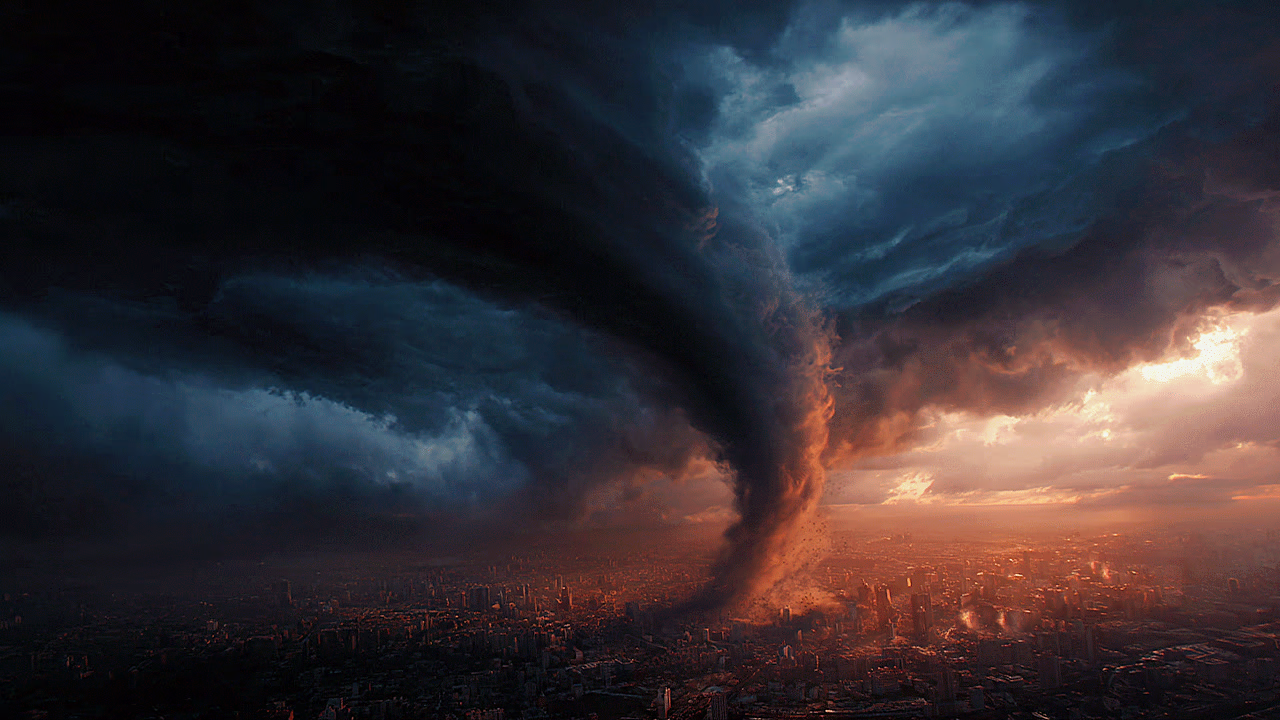
Product lead Michael Schwendler talks about how we went about creating ARMAGEDDON, a sound effects library built around natural disasters at extreme scale, where so much of the sound is simply impossible to capture.
From earthquakes and avalanches to massive storms and large-scale destruction, ARMAGEDDON tackles events that exist far beyond everyday experience. For us, that meant approaching the project very differently from a traditional field-recording-led library.
When Recording Isn’t an Option
Natural disasters present a fundamental problem for sound designers. You are rarely, if ever, in a position to capture them properly.
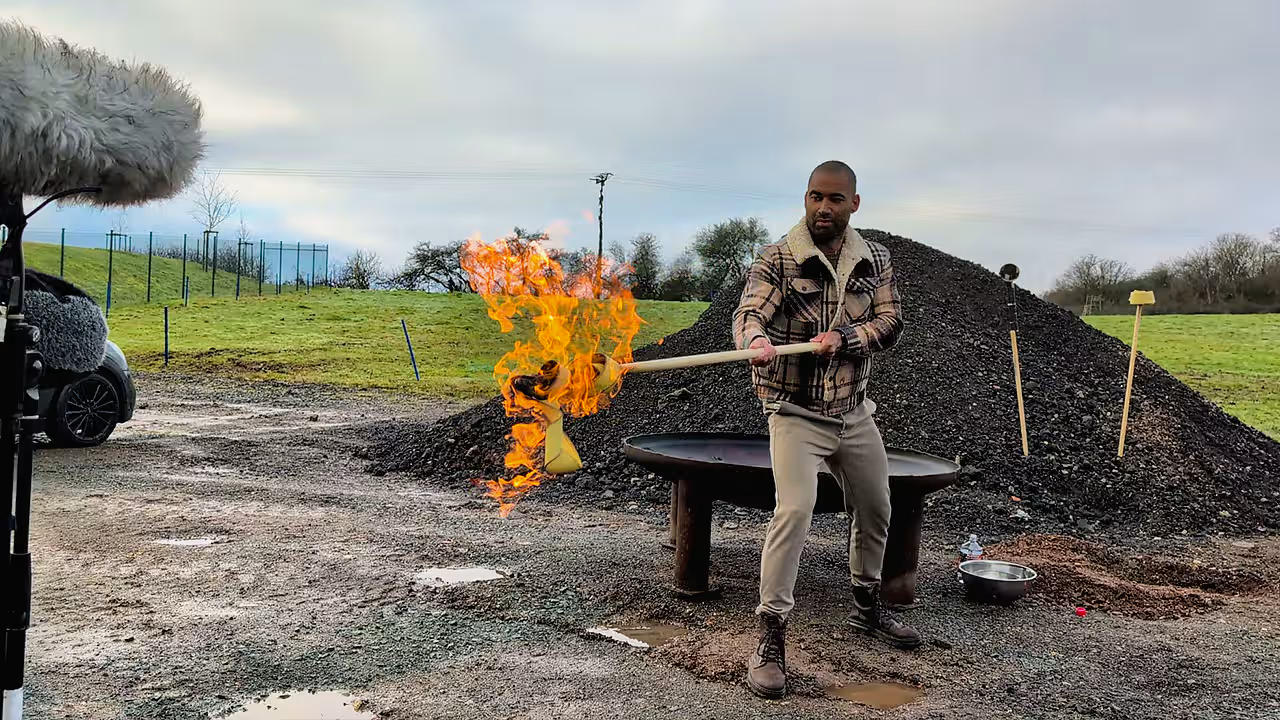
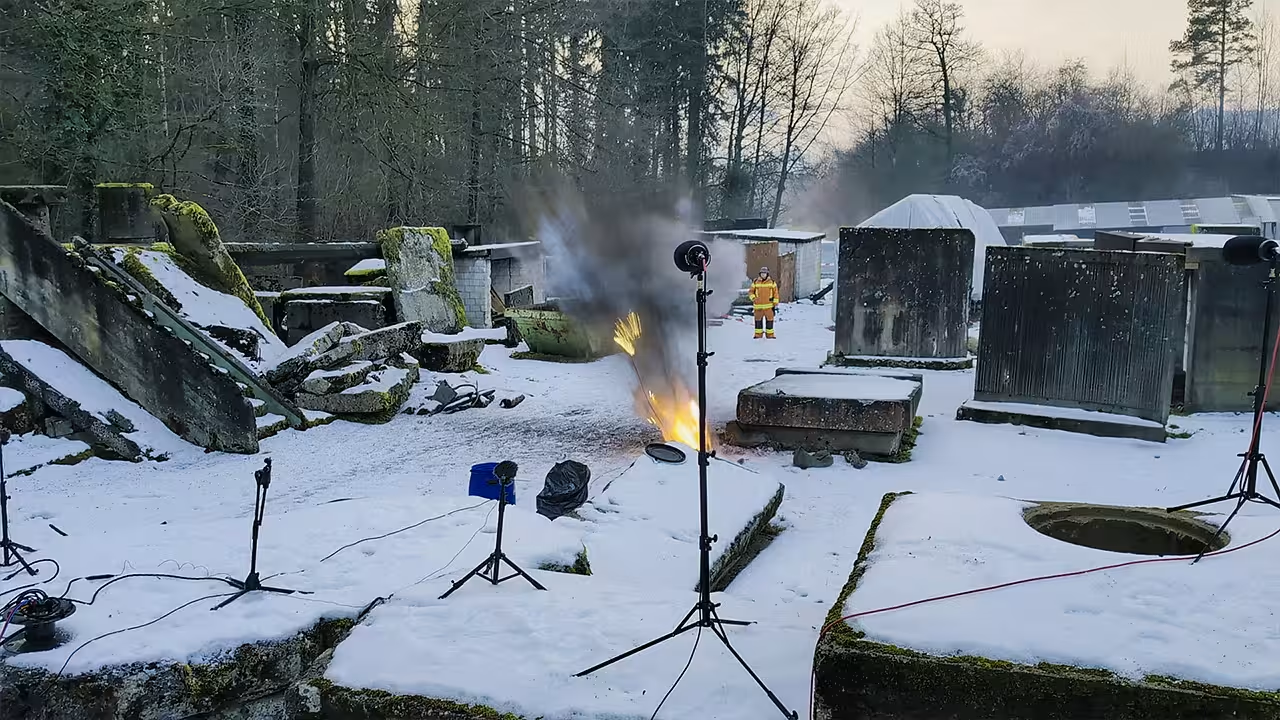
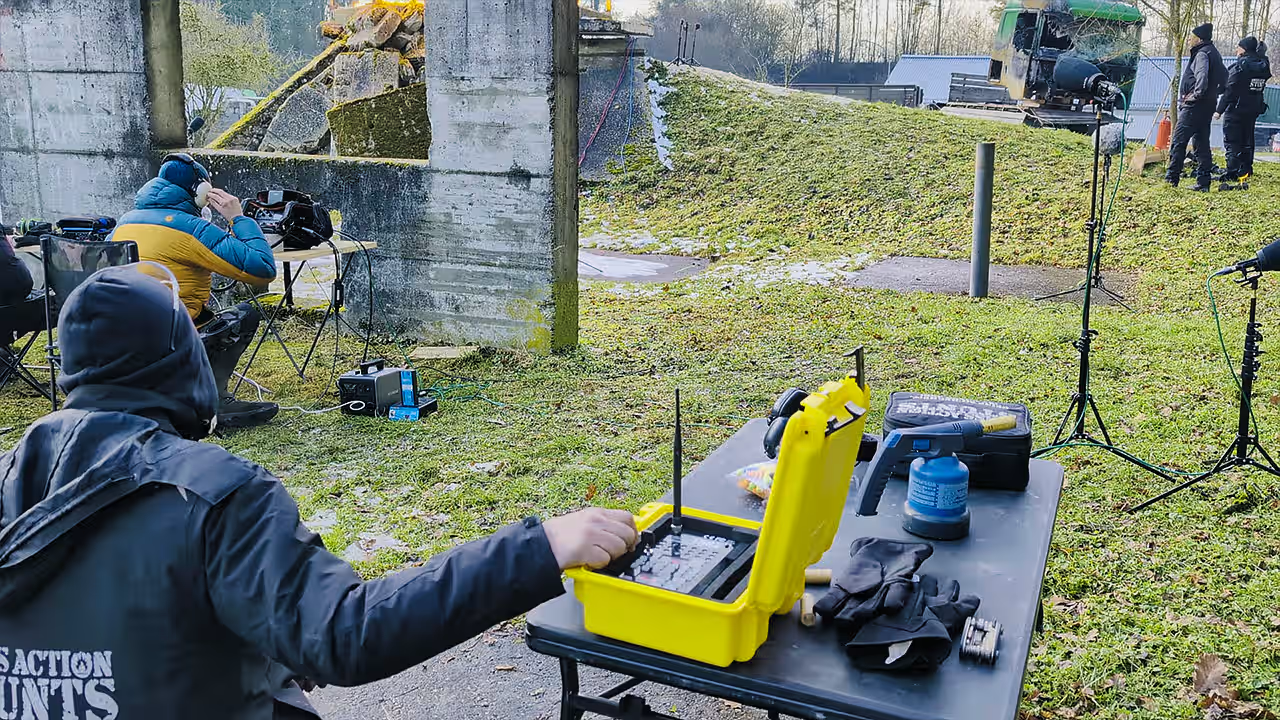
“You’re not normally there when a planet explodes or a nuclear bomb goes off or an earthquake happens,” Michael explains. “So a lot of what we’re doing here happens in the studio.”
ARMAGEDDON is our first library to focus entirely on large-scale natural disaster.
“We never really had a natural disaster library before,” Michael says. “We did bits of it in other products, like water or fire, but this time the focus is really on the disasters themselves.”
That decision brought a level of complexity unlike anything we had tackled before.
“I think this has been the most work-intensive library we’ve done,” he adds.
Designing Scale Instead of Impact
One of the central challenges with ARMAGEDDON was scale. Not just volume, but size, distance, and physical presence.
A common instinct when designing large sounds is to rely heavily on sharp transients and immediate impact. For ARMAGEDDON, Michael deliberately questioned that approach.
“What’s different compared to other libraries is that we actually tried to take out transients and impact,” he explains. “That kind of sound makes things feel close and small.”
Instead, we focused on sustained energy, width, and movement.
“If you want something to feel far away and huge, you don’t want it to feel immediate,” Michael says. “It’s more about space. Echo, reverb, width. That’s what gives you size.”
The idea is similar to placing a sound further back in a mix, but applied at a much larger scale. A massive tectonic event or a planet-level explosion is not something that feels close to the listener, even when it is devastating.
“It’s thousands of miles away,” he says. “So the sound reaching you has travelled through space. It shouldn’t feel sharp or tight.”
Building Sounds That Work in Context
Because many of these sounds are never meant to exist on their own, context played a critical role throughout the design process.
We spent extensive time watching large-scale disaster and weather footage, not to copy what was heard, but to understand how sound behaves alongside picture.
“It’s always helpful to have the picture when you design a sound,” Michael explains. “Sometimes when you hear sounds isolated, without music or dialogue, they don’t sound that impressive. But together with picture, music, and voice, everything comes together.”
Designed sounds were repeatedly compared against picture to ensure they translated convincingly on screen.
“I had all these reference videos open,” Michael says. “Not because the sound in them was good, often it wasn’t, but because you can see how things move, how long events take, how energy builds and collapses.”
This approach helped ensure ARMAGEDDON sounds work whether they are used as distant forces shaping a scene or layered into more detailed moments.
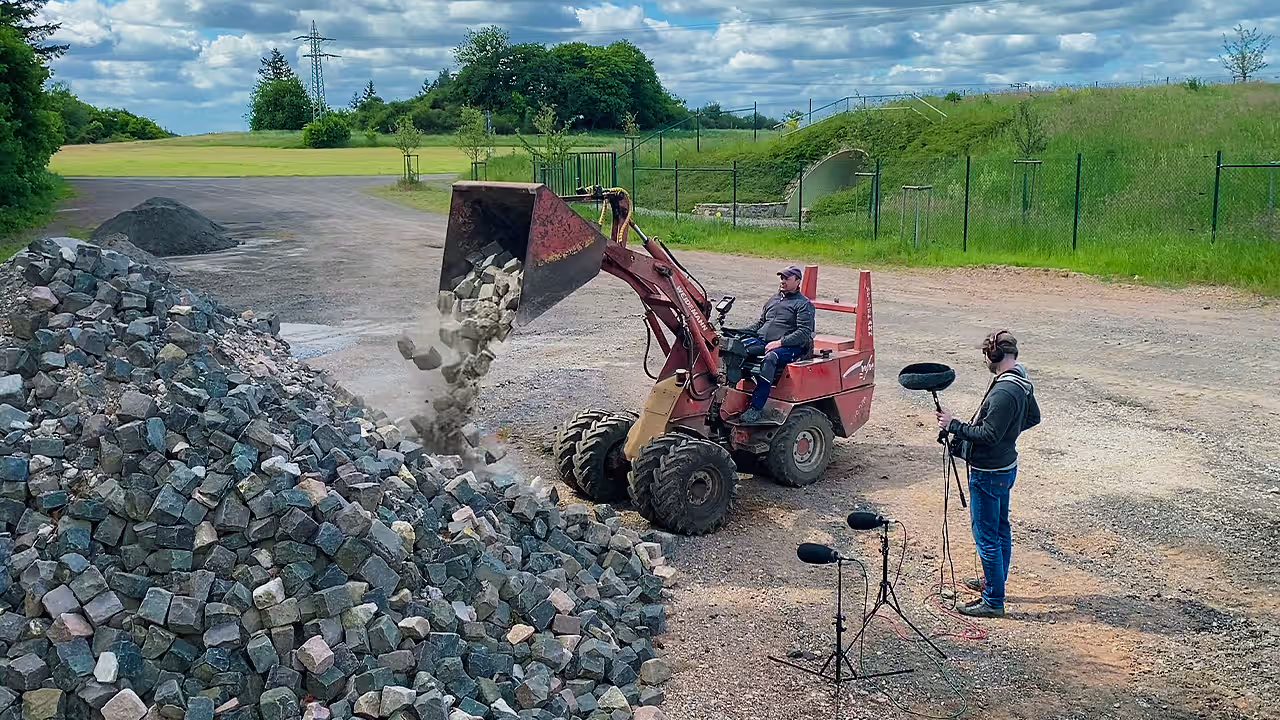
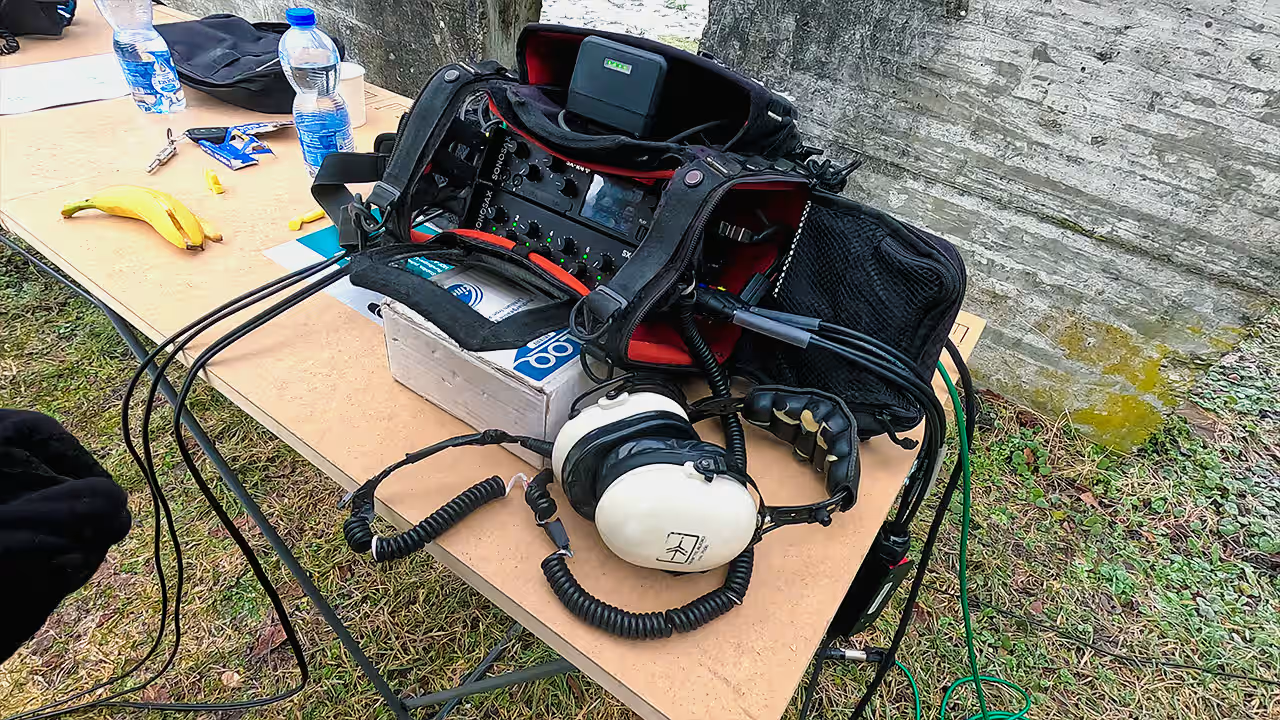
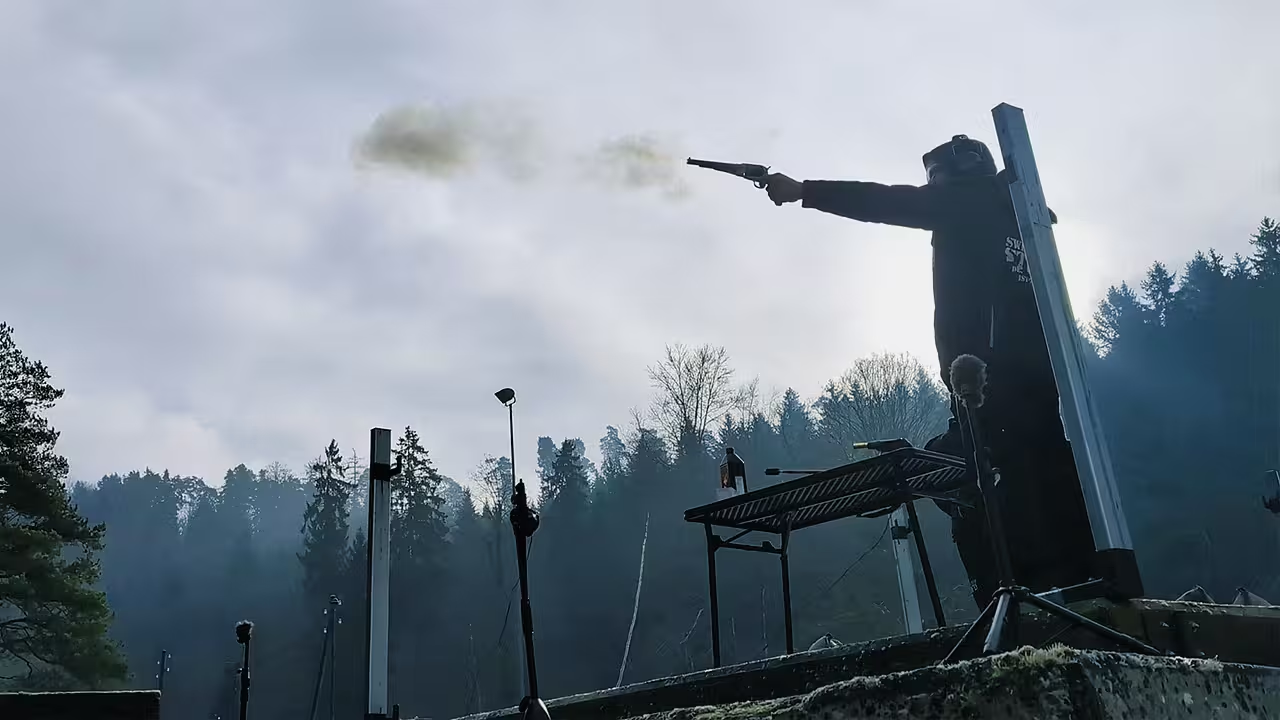
A Different Approach to the Construction Kit
ARMAGEDDON also marks a shift in how we approached the construction kit.
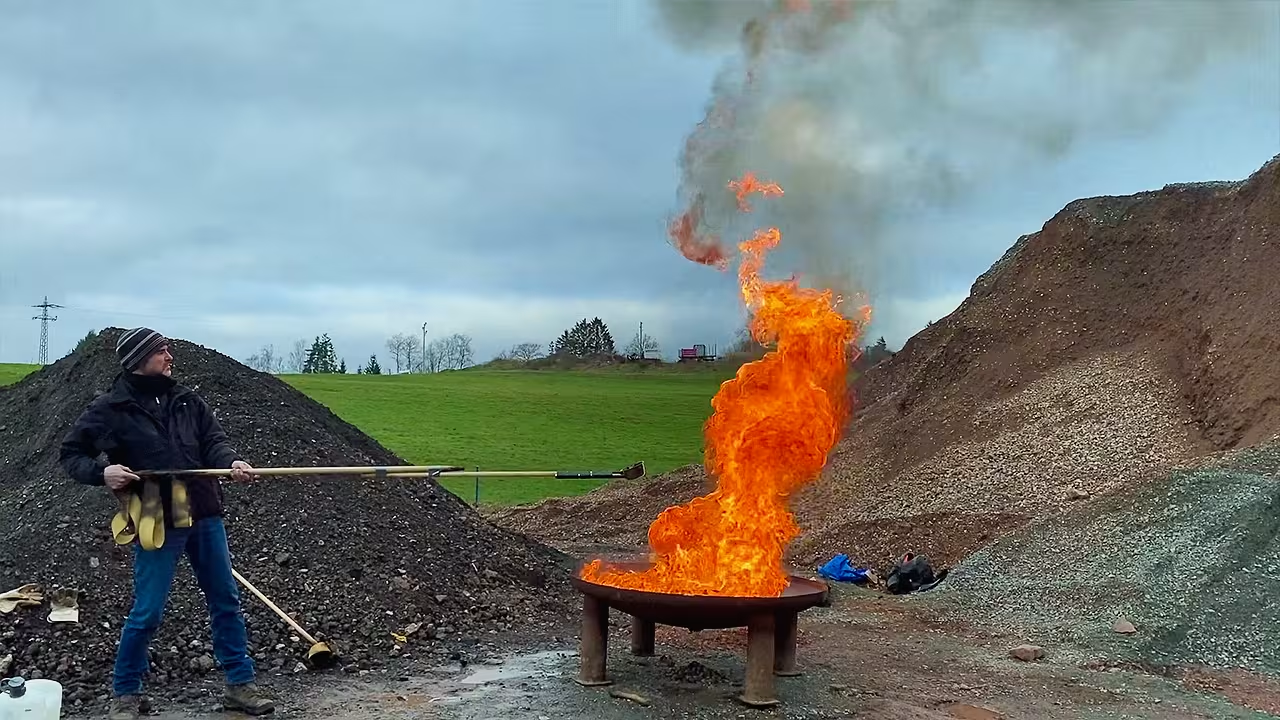
“In the past, we recorded very raw material and did a lot of the design later,” Michael explains. “This time, almost everything in the construction kit is already predesigned.”
That doesn’t mean the sounds are fixed or inflexible, but they are much closer to finished than usual.
“A lot of the sounds are pre-pitched, layered, processed, and then layered again,” he says. “You build blocks. You want the high-frequency detail of the original recording, but you also want the size, so you pitch, filter, and layer until it feels right.”
The result is material that can be combined quickly, while still giving sound designers control over scale and texture.
“It’s less about starting from nothing,” Michael adds, “and more about combining and shaping sounds that already carry weight.”
Aggression, Density, and Exaggeration by Design
While many ARMAGEDDON sounds are designed to feel vast and distant, others are deliberately aggressive.
“Some of the sounds are explosive,” Michael says plainly. “They are explosions.”
Compression, distortion, and density are intentional creative choices throughout the library.
“You can’t always be polite with sounds like this,” he explains. “If you want something to hold up in modern mixes, sometimes it has to be over the top.”
That approach reflects the balance we aim for across our libraries.
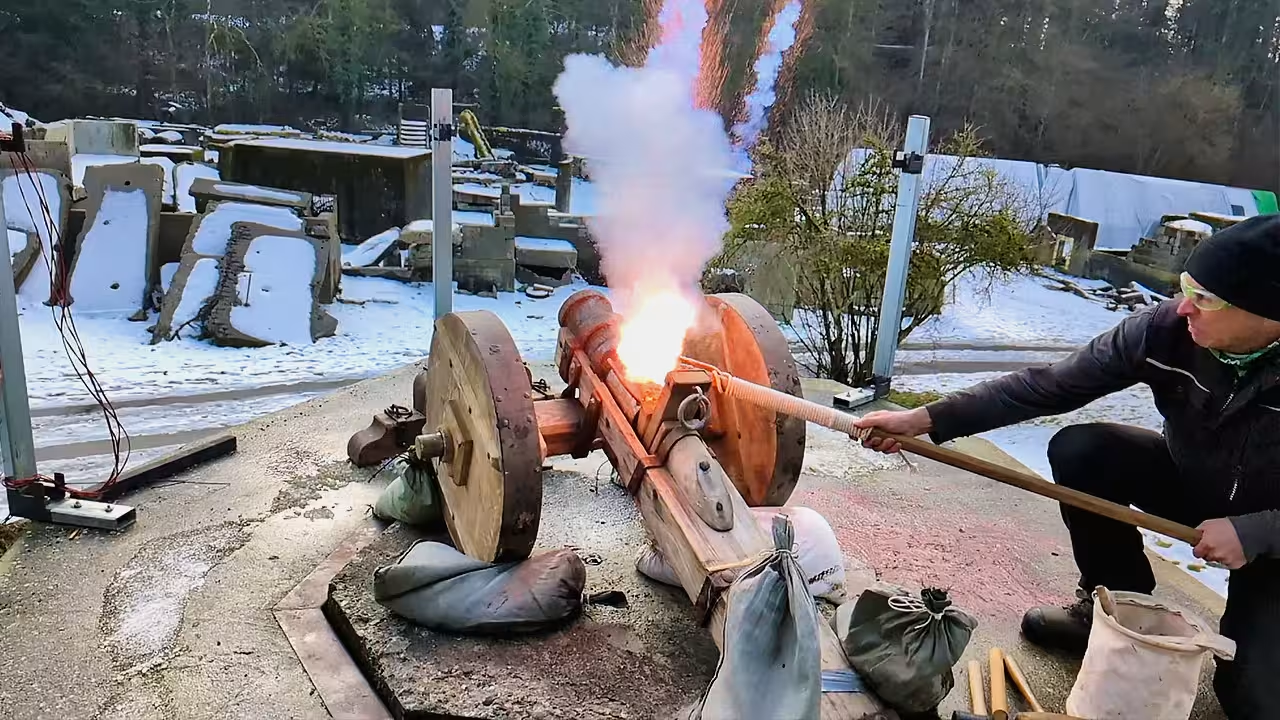
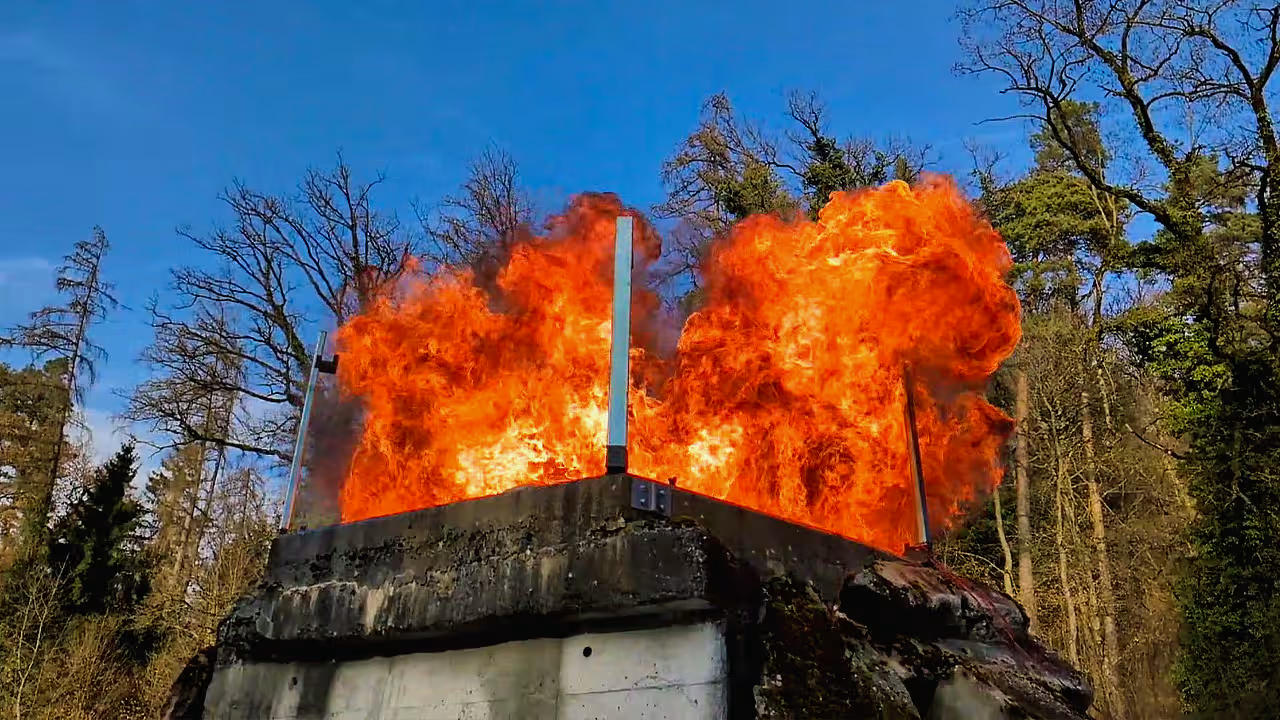
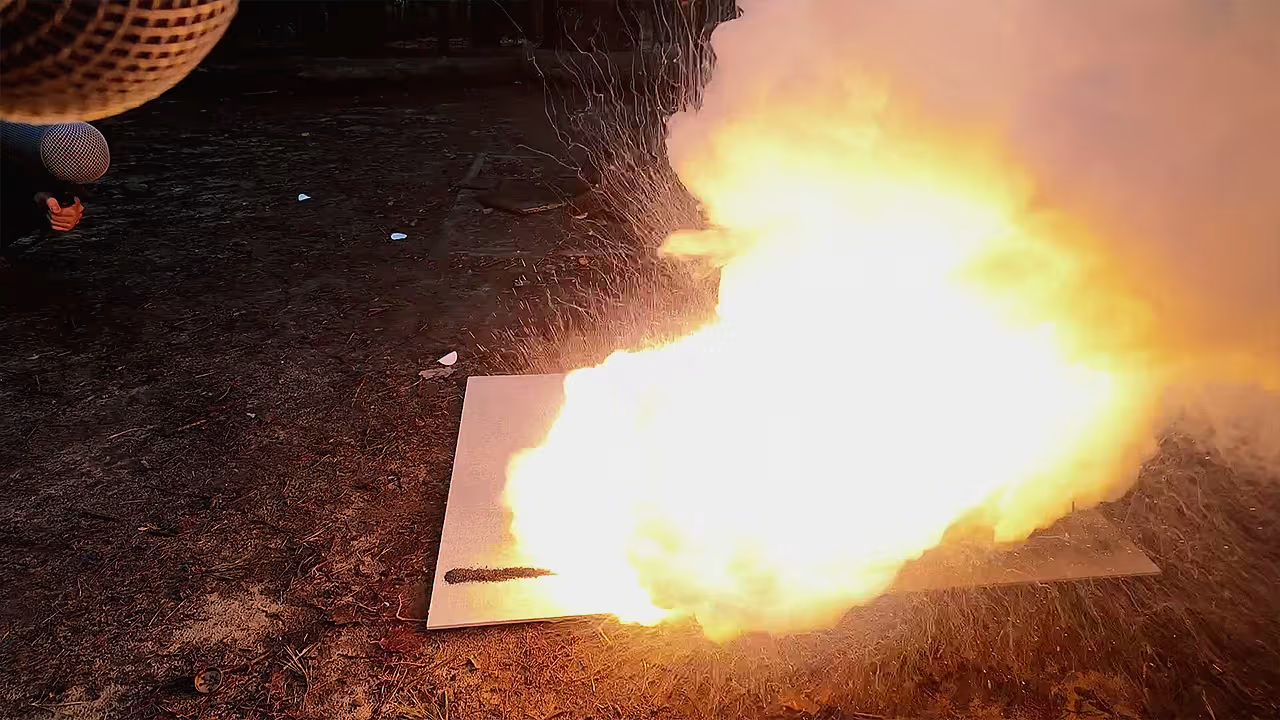
“You always start with something real,” Michael says, “but reality isn’t always big enough.”
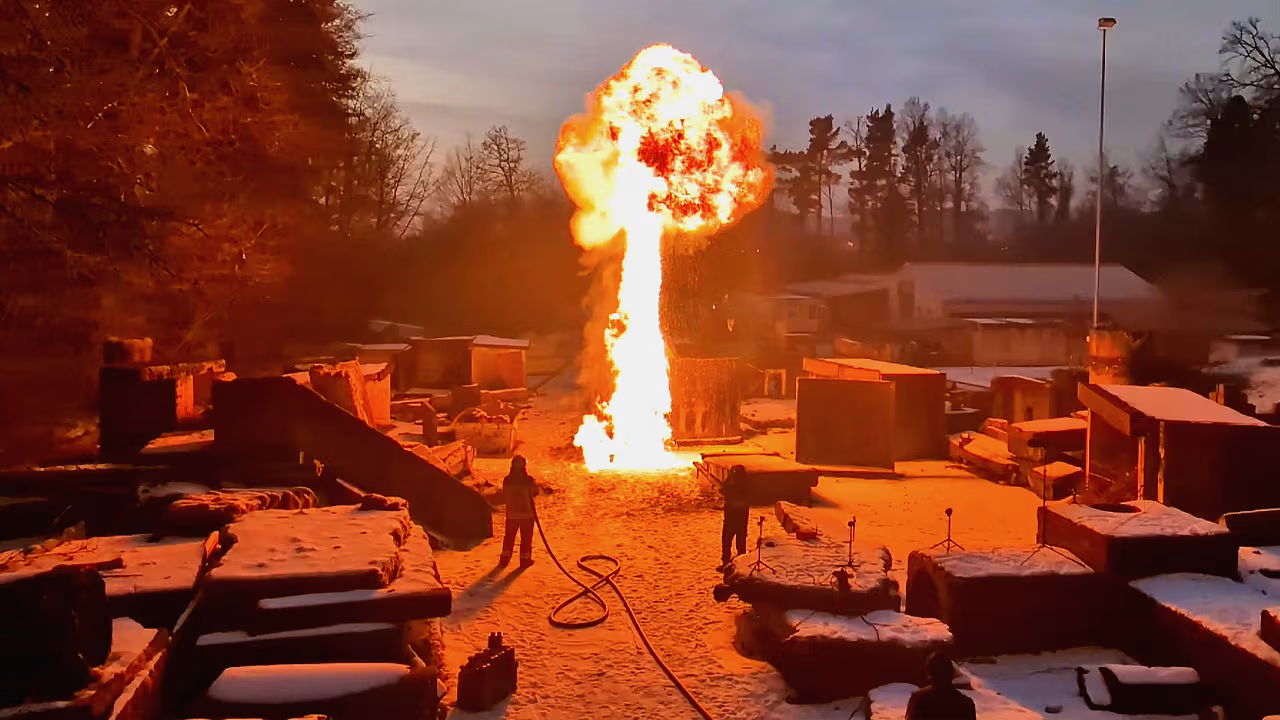
A Library Built for Professionals
ARMAGEDDON was created with professional workflows firmly in mind. The sounds are designed to survive dense mixes, heavy music, and demanding cinematic contexts without falling apart.
“This is not about making sounds that are interesting on their own,” Michael says. “They have to work in the real world.”
For sound designers working in film, television, games, and trailers, ARMAGEDDON explores territory we had not fully committed to before.
“It’s about events,” Michael concludes. “Not small moments. Not details. Big systems breaking down.”
Sound for the Unrecordable
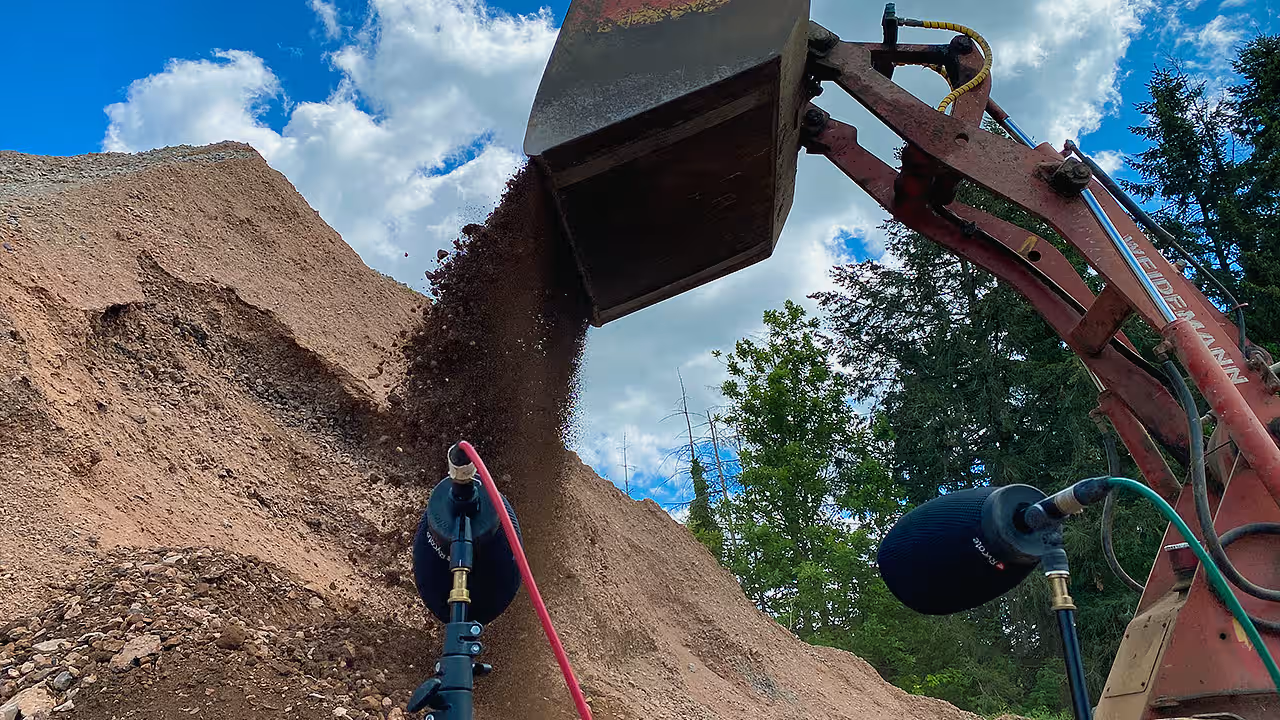
ARMAGEDDON exists because some sounds cannot be captured, only designed.
By embracing that limitation rather than fighting it, we created a library focused on natural disaster at extreme scale, built on experience, judgement, and a deep understanding of how sound works on screen.
ARMAGEDDON is not a collection of polite effects. It is a toolkit for representing forces that overwhelm everything around them.
And sometimes, that is exactly what the story needs.
The Demos
Signature Series
Sound Effects Library
Armageddon
Natural Disaster Sound Effects
Armageddon focuses on destruction at the largest scale: earthquakes, storms, avalanches, collapsing terrain, explosions, and thunder. Disaster scenes in film, TV, and games are what it was made for.
Total Sounds
3,115
WAV Files
661
Variations
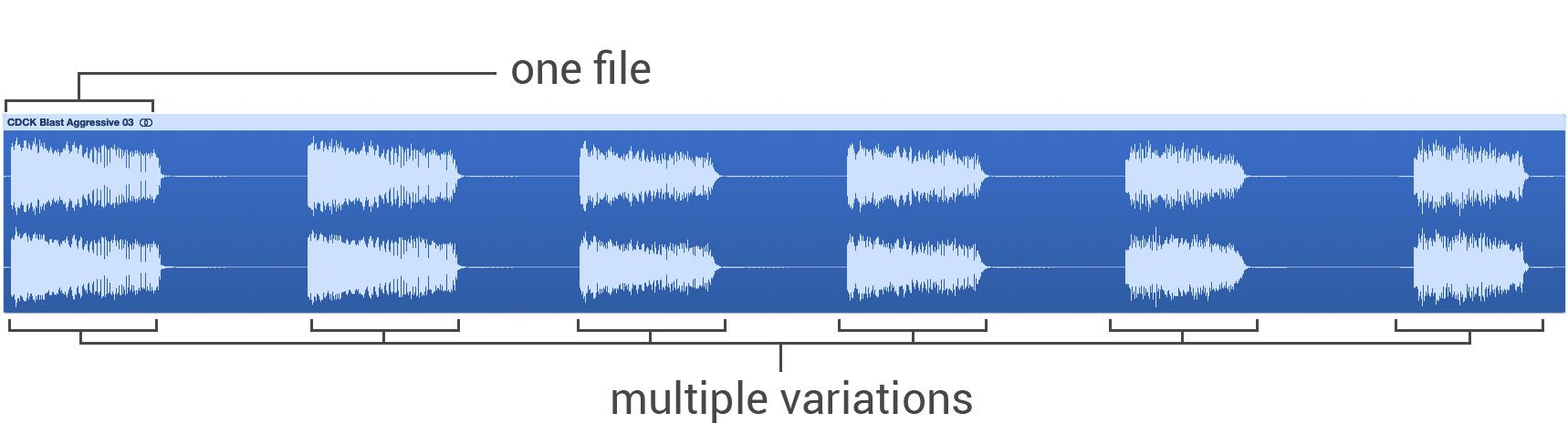
up to 6×
Sample Rate
24bit / 96kHz
Size
14.3 GB
UCS Compliant