February 20, 2026
Disaster films are collaborative by nature. Visual effects, cinematography, performance, editing and music all carry enormous weight. But when large-scale destruction truly feels physical, immersive and emotionally convincing, sound is always part of the equation.
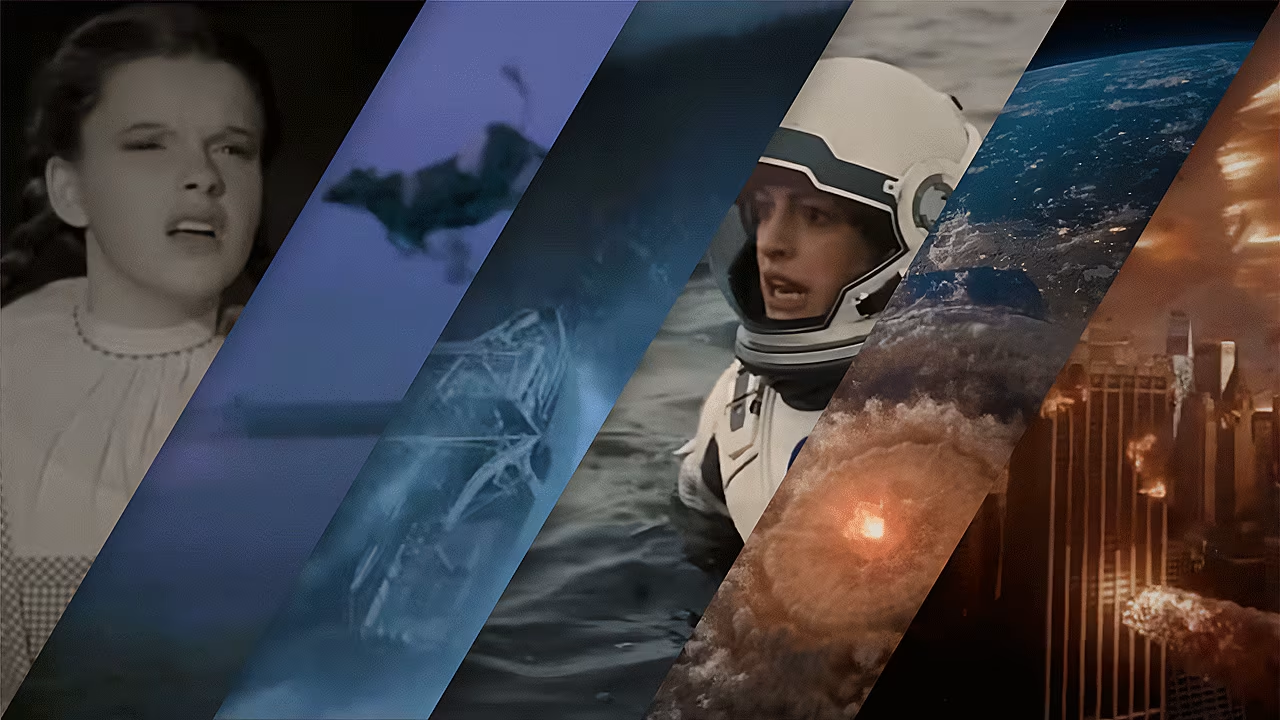
The following six films span storms, oceanic force and planetary catastrophe. Each approaches scale differently. Some give natural forces personality. Some build intimidation through restraint. Others balance human intimacy with global collapse. What connects them is not volume, but intention.
These are not case studies or lessons. They are examples of what is possible when sound design is given the space to contribute fully to the storytelling.
The First Cinematic Tornado | The Wizard of Oz (1939)
Long before modern surround formats or digital layering, The Wizard of Oz delivered one of cinema’s most recognisable tornadoes.
Technically, it was created with limited bandwidth, mono playback and analogue tools. Yet the twister still feels present and threatening. The wind builds in stages. Environmental instability creeps in before the storm dominates. The tornado is given a distinct sonic character rather than being treated as generic background noise, incidentally typical for foley windmachines.
It is striking how much personality the sequence carries despite the constraints of its era. The idea of giving a natural force a recognisable sonic identity was already there, decades before it became standard practice in large-scale filmmaking.
Giving Weather a Voice | Twister (1996)
Twister took that idea and pushed it further. Here, tornadoes are not just environmental events. They behave like characters.
Each storm has attitude, movement and tonal identity. The famous flying cow moment is remembered visually, but it is the tracking of motion in the sound field that makes it believable. Objects travel through space with perspective shifts, filtering and dynamic movement that mirror the chaos on screen.
We have been told by members of the original sound team that The Wizard of Oz served as an early inspiration point when defining what a cinematic tornado should feel like. That lineage is fascinating. A storm created with 1930s technology helped inform a 1990s digital spectacle.
Much of the tornado design work on Twister was developed before final visuals were complete. Working from early animation and wireframes meant the sound was helping shape the storm, not just responding to it. The result is weather that feels active and present within the narrative.
Weight, Detail and Perspective | The Perfect Storm (2000)
The Perfect Storm approaches scale differently. Rather than personifying the weather, it builds impact through density and perspective.
In the wave sequence, low-frequency energy and distant movement cues signal mass before the full visual reveal. Pressure arrives first. Detail follows. As the wave approaches, higher-frequency elements such as spray, rigging and surface impact add immediacy and texture.
Perspective shifts are tightly aligned with the camera. Wide shots carry broader, more diffuse sound fields. Close shots introduce sharper transient detail and mechanical stress. The stereo and surround motion during the final break of the wave reinforces direction and force without overwhelming the mix.
It is an elegant demonstration of how scale can be conveyed through layering and viewpoint rather than sheer loudness.
Intimidation Through Contrast | Interstellar (2014)
Interstellar’s tsunami sequence shows how large-scale events can feel enormous without constant sonic overload.
The intimidation comes from variation. Early cues are subtle, with low-frequency energy and distant movement suggesting mass long before the wave dominates the frame. As it approaches, the detail increases gradually. Water texture becomes more granular. You can hear the interaction between liquid force and solid structure, including a tactile squelching sound as water presses and drags against the metal of the craft. That moment grounds the spectacle in something physical and immediate.
Perspective shifts mirror the camera, moving from expansive distance into focused proximity. The sequence breathes. It allows space before delivering impact. That restraint makes the scale feel credible.
Human Scale Meets Planetary Collapse | Don’t Look Up (2021)
Don’t Look Up balances global catastrophe with personal intimacy.
The destruction sequences move between contrasting perspectives rather than overwhelming the audience with constant intensity. One moment the sound is close, restrained and human. The next it expands into something vast and impersonal. That variation creates emotional weight without relying on speed or density.
Quiet, focused moments sit alongside expansive catastrophic ones. The result is destruction that feels both immense and personal. The global event is always tied back to individual experience, and the sound design carries that duality with precision.
Clarity Within Chaos | Moonfall (2022)
Moonfall demonstrates that scale does not always require constant fullness.
In several large-scale sequences, the mix avoids saturating every frequency band at once. Instead, specific elements are brought forward while others are reduced. Structural stress, debris movement or environmental shifts are given space to stand out.
By selectively holding back the loudest or most obvious layers, the design creates clarity inside the chaos. The audience is drawn to individual components, which can feel more impactful than a continuous wall of sound.
A Celebration of Scale
There is no single formula behind these films. Some lean into personality. Some focus on density and perspective. Others find power in restraint or contrast. Each reflects the collaboration of directors, editors, composers, mixers and sound designers working toward a shared vision.
What stands out across them is how thoughtfully sound contributes to the overall experience. It does not compete with the visuals. It works alongside them, adding weight, motion and emotional depth to events that might otherwise feel abstract.
These films are a reminder of how expansive the palette of disaster sound can be, and how much nuance exists inside even the largest moments.
Check out ARMAGEDDON for a complete library of effects that will help anyone trying to build complex storms, large-scale disaster sequences and end of world planet changing events:
The Trailer
The Demos
Signature Series
Sound Effects Library
Armageddon
Natural Disaster Sound Effects
Armageddon focuses on destruction at the largest scale: earthquakes, storms, avalanches, collapsing terrain, explosions, and thunder. Disaster scenes in film, TV, and games are what it was made for.
Total Sounds
3,115
WAV Files
661
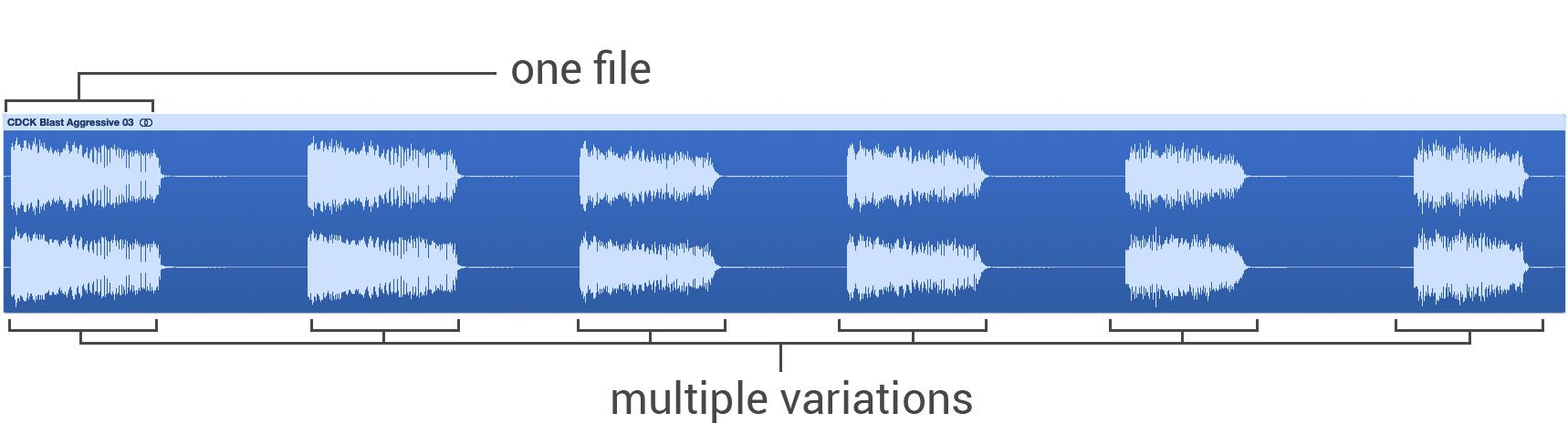
Variations
up to 6×
Sample Rate
24bit / 96kHz
Size
14.3 GB
UCS Compliant